Understanding Web Hosting: What It Is and Why You Need It
In the digital age, having an online presence is essential for businesses, individuals, and organizations. Whether you're looking to start a blog, launch an online store, or create a portfolio, you need a place to host your website. This is where web hosting comes into play. But what exactly is web hosting, and why is it crucial for your online presence?
What is Web Hosting?
In the digital age, having an online presence is essential for businesses, individuals, and organizations. Whether you're looking to start a blog, launch an online store, or create a portfolio, you need a place to host your website. This is where web hosting comes into play. But what exactly is web hosting, and why is it crucial for your online presence?
Understanding Web Hosting
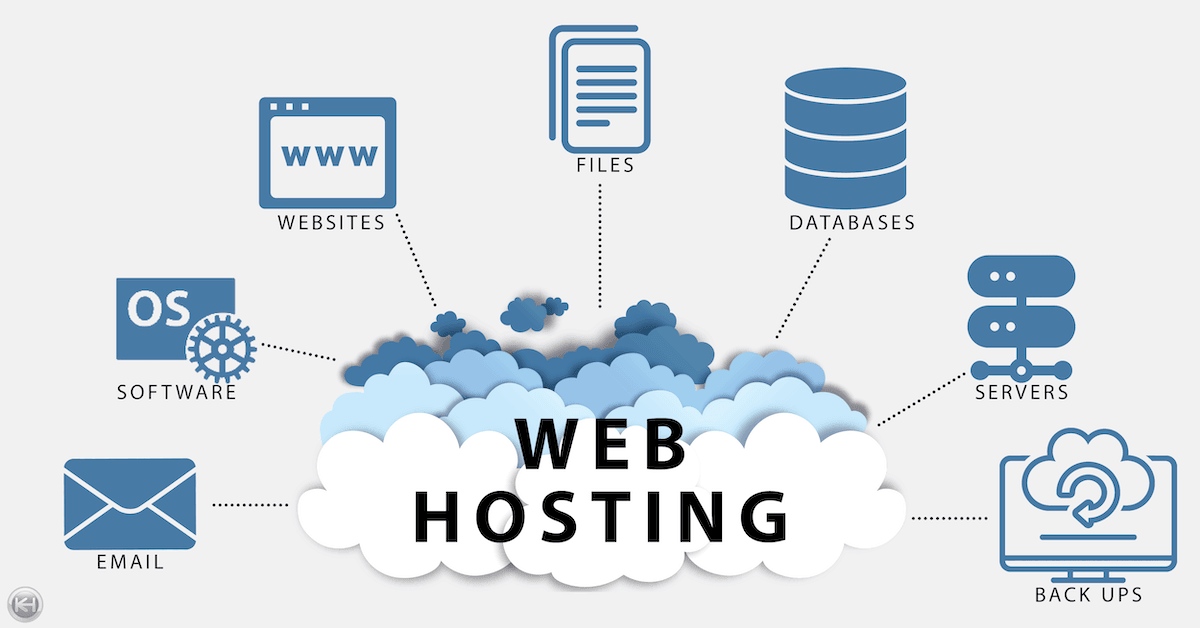
Web hosting is a service that allows individuals and organizations to make their websites accessible on the internet. In simpler terms, it's like renting space on a server where all the files and data that make up your website are stored. These servers are managed by web hosting companies, ensuring that your website is available to users around the clock.
How Web Hosting Works
When you create a website, it consists of various files, such as HTML, CSS, images, videos, and other multimedia elements. These files need to be stored on a server that is connected to the internet so that users can access your website by entering your domain name in their web browser.
Here's a step-by-step breakdown of how web hosting works:
- Domain Name Registration: You start by registering a domain name (e.g., www.yourwebsite.com), which is the address users will use to find your website.
- Choose a Web Hosting Plan: Next, you choose a web hosting plan that suits your needs. The plan you choose will determine the amount of storage, bandwidth, and other resources available to your website.
- Upload Your Website Files: After selecting a hosting plan, you upload your website files to the server provided by your hosting company. This can be done using various methods, such as FTP (File Transfer Protocol) or through a web-based control panel.
- Server Management: The hosting company manages the server, ensuring it runs smoothly, stays secure, and remains online 24/7. This includes tasks like maintaining hardware, updating software, and monitoring for security threats.
- Website Access: When a user types your domain name into their web browser, the browser sends a request to the server where your website is hosted. The server then delivers the requested files to the user's browser, allowing them to view your website.
Types of Web Hosting
There are several types of web hosting available, each catering to different needs and levels of technical expertise:
-
Shared Hosting: In shared hosting, multiple websites share the same server resources, making it a cost-effective option for beginners and small websites. However, sharing resources can lead to slower performance if other websites on the server experience high traffic.
-
VPS Hosting: Virtual Private Server (VPS) hosting provides a virtual environment within a shared server. It offers more resources and control compared to shared hosting, making it suitable for growing websites with moderate traffic.
-
Dedicated Hosting: With dedicated hosting, you get an entire server dedicated to your website. This offers maximum performance, security, and customization options, ideal for large businesses and high-traffic websites.
-
Cloud Hosting: Cloud hosting uses a network of interconnected servers to host your website, ensuring high availability and scalability. It's a great option for websites with fluctuating traffic, as resources can be scaled up or down based on demand.
-
Managed Hosting: Managed hosting services take care of all the technical aspects of hosting, including server maintenance, security, and updates. This allows you to focus on your website content and business operations without worrying about server management.
Key Features of Web Hosting
When selecting a web hosting provider, it's essential to consider several key features that can impact your website's performance and security:
-
Uptime Guarantee: Uptime refers to the amount of time your website is accessible to users. Look for hosting providers that offer at least a 99.9% uptime guarantee to ensure your website remains online consistently.
-
Bandwidth and Storage: Bandwidth determines the amount of data that can be transferred between your website and users, while storage refers to the space available for your website files. Ensure the hosting plan offers sufficient bandwidth and storage for your needs.
-
Security: Security features like SSL certificates, firewalls, and regular backups are crucial for protecting your website from cyber threats and data loss.
-
Customer Support: Reliable customer support is essential for resolving technical issues quickly. Look for hosting providers that offer 24/7 support through various channels, such as live chat, email, and phone.
-
Scalability: As your website grows, you may need more resources. Choose a hosting provider that offers scalable plans, allowing you to upgrade your hosting plan as needed.
Conclusion
Web hosting is a fundamental aspect of establishing and maintaining an online presence. By understanding what web hosting is and the different types available, you can choose the right hosting solution that meets your needs and ensures your website performs optimally. Whether you're starting a personal blog or running a large e-commerce site, selecting a reliable web hosting provider is essential for your success on the internet.
Table of Contents
Share this article
Get More Insights
Subscribe to our newsletter for weekly cloud tips.
Related Articles
View All →_1744179347.png)
504 Gateway Timeout Error: Diagnosing Slow Server Communication and Proven Fixes
A 504 Gateway Timeout Error occurs when servers fail to communicate within a set timeframe. Learn to resolve slow server responses by optimizing proxies, adjusting timeouts, and leveraging CDNs. Prevent downtime and protect SEO rankings with modern troubleshooting strategies.
_1720966134.jpeg)
Beginner's Guide to Starting a Blog: Step-by-Step Setup and Tips
Starting a blog is an exciting journey that allows you to share your passions, expertise, or creativity with the world. Whether you're interested in personal blogging, professional content creation, or monetizing your blog, this guide will walk you through the essential steps to launch your own successful blog.
How to Find and Fix 404 Errors on Your Website
There are many platforms designed to help website owners quickly identify broken links on a website.
Ready to optimize your hosting?
Explore our enterprise-grade hosting plans designed for speed, security, and scale.