Beginner's Guide to Starting a Blog: Step-by-Step Setup and Tips
Starting a blog is an exciting journey that allows you to share your passions, expertise, or creativity with the world. Whether you're interested in personal blogging, professional content creation, or monetizing your blog, this guide will walk you through the essential steps to launch your own successful blog.
_1720966134.jpeg)
Starting a blog is an exciting journey that allows you to share your passions, expertise, or creativity with the world. Whether you're interested in personal blogging, professional content creation, or monetizing your blog, this guide will walk you through the essential steps to launch your own successful blog.
1. Choose a Blogging Platform
a. Self-Hosted vs. Hosted Platforms: Decide whether you want to use a self-hosted platform (e.g., WordPress.org, Joomla) or a hosted platform (e.g., WordPress.com, Blogger). Self-hosted platforms offer more customization and control but require web hosting, while hosted platforms are easier to set up and manage but have limitations in customization.
2. Select a Domain Name and Hosting Provider
a. Choose a Domain Name: Select a unique and memorable domain name that reflects your blog's theme or niche. Use domain registration services to check availability and register your domain name.
b. Choose a Hosting Provider: If you opt for a self-hosted platform, choose a reliable hosting provider that meets your needs in terms of speed, reliability, customer support, and scalability. Compare hosting plans and features to make an informed decision.
3. Install and Set Up Your Blogging Platform
a. Install Your Platform: Follow the platform's installation instructions provided by your hosting provider. Most hosting providers offer one-click installations for popular blogging platforms like WordPress.
b. Customize Your Blog: Choose a theme that suits your blog's style and customize it with colors, fonts, and layouts. Install essential plugins to add functionality such as SEO optimization, social media sharing, and spam protection.
4. Create Compelling Content
a. Define Your Niche: Identify your target audience and niche topics that align with your interests or expertise. Consider what unique perspective or value you can offer through your blog.
b. Plan Your Content Strategy: Develop an editorial calendar to organize and plan your blog posts. Include a mix of evergreen content (timeless topics) and trending topics relevant to your audience.
5. Optimize Your Blog for SEO
a. Keyword Research: Conduct keyword research to identify relevant keywords and phrases your audience is searching for. Use tools like Google Keyword Planner or SEMrush to find keywords with good search volume and low competition.
b. On-Page SEO: Optimize your blog posts for search engines by incorporating keywords naturally into titles, headings, meta descriptions, and content. Use descriptive alt text for images and internal linking to improve navigation.
6. Promote Your Blog and Build an Audience
a. Social Media Promotion: Share your blog posts on social media platforms like Facebook, Twitter, Instagram, and LinkedIn to reach a wider audience. Engage with followers and participate in relevant communities or groups.
b. Guest Blogging and Networking: Collaborate with other bloggers or websites through guest posting opportunities. Networking with influencers or industry experts can also help expand your blog's reach and credibility.
7. Monetize Your Blog (Optional)
a. Affiliate Marketing: Promote products or services related to your blog niche and earn commissions for sales generated through your affiliate links.
b. Advertising: Display advertisements on your blog through ad networks like Google AdSense or direct sponsorships with brands.
8. Analyze and Improve
a. Track Performance: Use analytics tools (e.g., Google Analytics) to monitor traffic, user behavior, and engagement metrics on your blog. Identify top-performing content and areas for improvement.
b. Iterate and Adapt: Based on analytics data and feedback from your audience, refine your content strategy, SEO efforts, and promotional tactics to continuously grow and optimize your blog.
Conclusion
Starting a blog requires careful planning, creativity, and dedication to consistently create valuable content for your audience. By following these steps—from choosing a platform and setting up your blog to creating compelling content, optimizing for SEO, promoting effectively, and potentially monetizing your efforts—you can establish a successful blog that resonates with readers and achieves your blogging goals.
Table of Contents
Share this article
Get More Insights
Subscribe to our newsletter for weekly cloud tips.
Related Articles
View All →
Demystifying Web Hosting: A Comprehensive Guide for Beginners
In the vast landscape of the internet, web hosting serves as the foundation upon which websites are built and thrive.
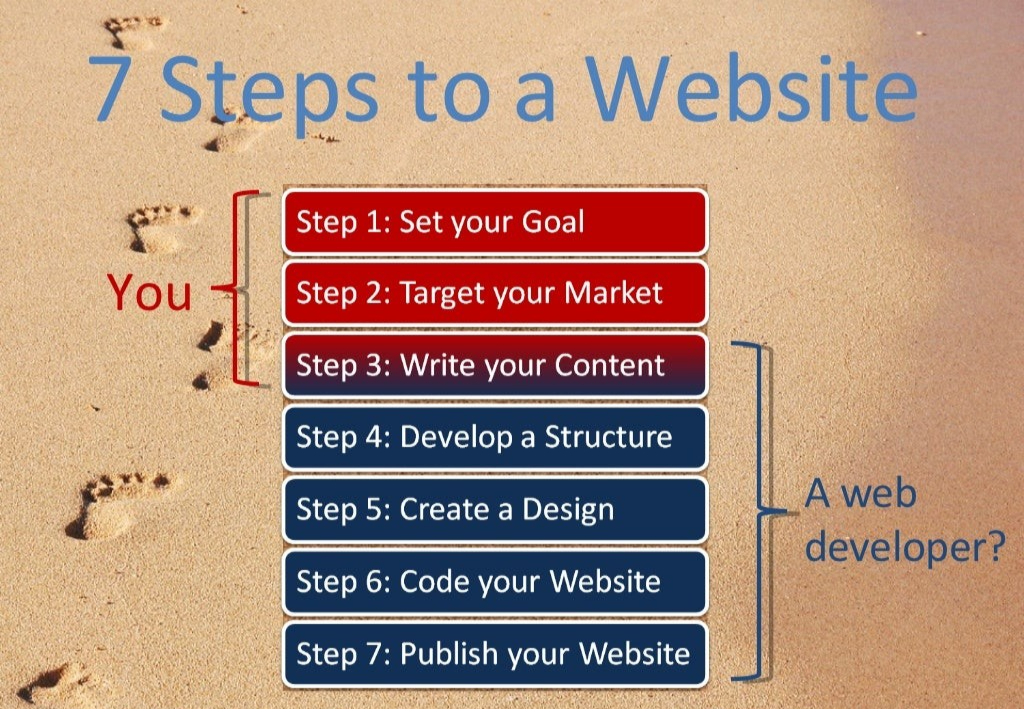
How to Get Your Website and Web Hosting Done: A Step-by-Step Guide
Creating a website and getting it hosted may seem daunting if you’re new to the process, but it’s easier than you think. This guide will walk you through the steps to get your website up and running, from choosing a hosting provider to launching your site.
How to Use FTP to Upload and Manage Website Files in a Web Hosting Company
File Transfer Protocol (FTP) is an essential tool for web hosting, allowing you to upload and manage website files efficiently.
Ready to optimize your hosting?
Explore our enterprise-grade hosting plans designed for speed, security, and scale.