Navigating Legacy DNS in Web Hosting: Challenges and Modern Solutions
DNS management has evolved from traditional or "legacy" methods to more advanced, modern solutions. This script explores legacy DNS in web hosting, its features, challenges, and the shift towards modern alternatives.
_1720981212.jpg)
DNS (Domain Name System) plays a pivotal role. It acts as a translator, converting human-readable domain names (like example.com) into machine-readable IP addresses (such as 192.0.2.1) that computers use to locate and connect to websites and services on the internet. Over time, DNS management has evolved from traditional or "legacy" methods to more advanced, modern solutions. This script explores legacy DNS in web hosting, its features, challenges, and the shift towards modern alternatives.
Legacy DNS Features: Legacy DNS systems typically encompass basic functionalities necessary for domain management:
- Zone Files: These files contain DNS records like A (address) records, CNAME (canonical name) records, MX (mail exchange) records, and more, essential for mapping domain names to corresponding IP addresses and directing email traffic.
- Primary and Secondary DNS: In legacy setups, primary DNS servers handle updates and modifications to DNS records, while secondary servers serve as backups, ensuring redundancy and reliability in case of primary server failures.
- Text-Based Configuration: Configuration of DNS settings in legacy systems often involves manually editing text files, which can be cumbersome and prone to human error.
Challenges with Legacy DNS: While legacy DNS systems have served their purpose well, they come with several limitations and challenges:
- Scalability Issues: Legacy systems may struggle to handle the increasing complexity and scale of modern web hosting environments with large numbers of domains and frequent updates.
- Security Concerns: Older DNS protocols and implementations may lack robust security features, making them vulnerable to DNS hijacking, DDoS attacks, and other malicious activities.
- Limited Automation: Manual configuration and management of DNS settings in legacy systems can be time-consuming and inefficient, especially in dynamic hosting environments that require frequent updates and changes.
Modern Alternatives to Legacy DNS: In response to these challenges, modern DNS solutions have emerged, offering advanced features and capabilities:
- DNS Management Platforms: Web hosting providers and domain registrars offer intuitive web interfaces and control panels for managing DNS settings, allowing users to easily add, modify, and delete DNS records.
- Cloud-Based DNS Services: Cloud-based DNS providers offer scalable, globally distributed DNS infrastructure with built-in redundancy, DNSSEC (DNS Security Extensions) support, and advanced traffic management features.
- API Integration: Integration with APIs allows for automated DNS management, enabling seamless integration with other cloud services, DevOps tools, and automation frameworks.
Transitioning to Modern DNS Solutions: To leverage the benefits of modern DNS technologies, web hosting providers and businesses can consider the following steps:
- Evaluate Current DNS Needs: Assess your current DNS infrastructure and requirements to identify areas for improvement and modernization.
- Choose a Reliable Provider: Select a reputable DNS service provider or DNS management platform that aligns with your scalability, security, and automation requirements.
- Implement DNS Best Practices: Follow best practices such as implementing DNSSEC for enhanced security, regularly auditing DNS configurations, and leveraging DNS analytics for performance optimization.
- Monitor and Adapt: Continuously monitor DNS performance metrics and adapt your DNS strategy to accommodate evolving business needs and technological advancements.
Conclusion: Legacy DNS systems have laid the foundation for reliable domain management in web hosting, but their limitations in scalability, security, and automation highlight the need for transitioning to modern DNS solutions. By embracing cloud-based DNS services, intuitive management platforms, and automation capabilities, businesses can enhance their web hosting infrastructure's reliability, security, and performance in today's digital landscape.
Share this article
Get More Insights
Subscribe to our newsletter for weekly cloud tips.
Related Articles
View All →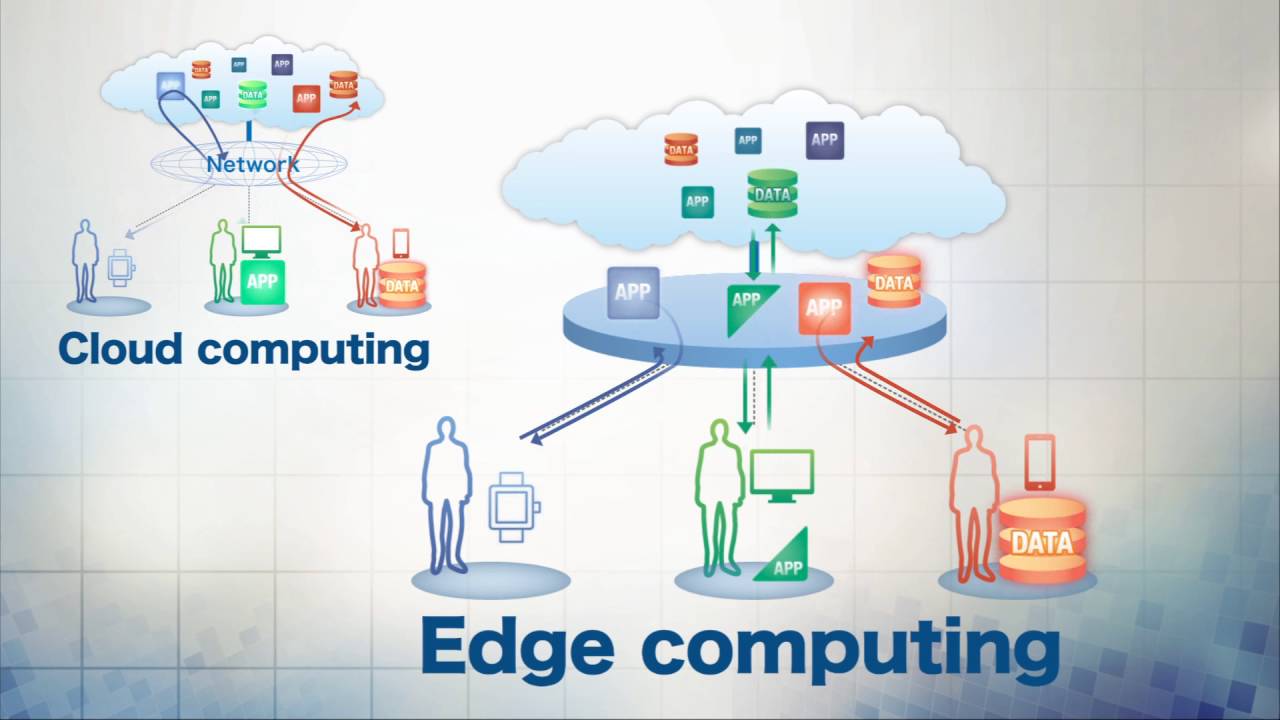
Edge Computing is Redefining Website Speed, SEO, and Global Performance
Edge computing has changed the way web hosting operates by moving a site's data processing capabilities nearer to end-users, resulting in enhanced website performance, speed, and page rankings for search engines (SEO), and providing an overall better user experience as well. This comprehensive guide explains what edge computing is, how it interacts with modern end-to-end hosting, and provides several practical examples of use, as well as the advantages and disadvantages of using edge computing. 51words
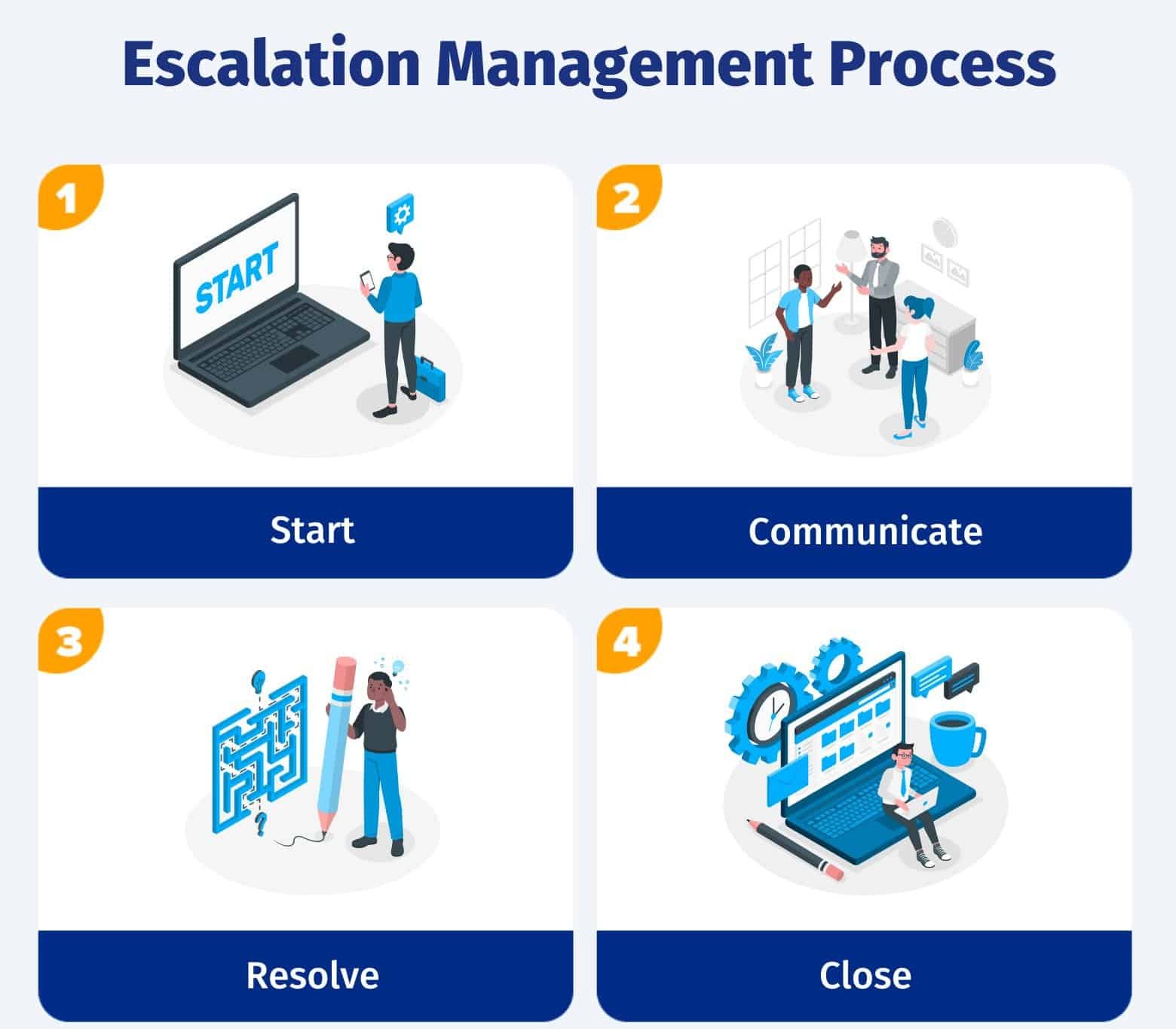
Effective Strategies for Handling Escalations and Complex Issues in Web Hosting
Handling escalations and complex issues requires a strategic approach to ensure problems are addressed swiftly and effectively.

The Importance of SEO in Growing Your Business: Boost Visibility and Drive Traffic
Having a strong online presence is crucial for any business looking to succeed. Search Engine Optimization (SEO) plays a vital role in enhancing that presence, driving organic traffic, and ultimately growing your business.
Ready to optimize your hosting?
Explore our enterprise-grade hosting plans designed for speed, security, and scale.