Edge Computing is Redefining Website Speed, SEO, and Global Performance
Edge computing has changed the way web hosting operates by moving a site's data processing capabilities nearer to end-users, resulting in enhanced website performance, speed, and page rankings for search engines (SEO), and providing an overall better user experience as well. This comprehensive guide explains what edge computing is, how it interacts with modern end-to-end hosting, and provides several practical examples of use, as well as the advantages and disadvantages of using edge computing. 51words
Edge Computing's Impact on Web Hosting's Evolution Today
The changes happening right now throughout the world of web hosting are truly some of the best we have seen within the past few decades. Changes to traditional web-hosting methods and growing expectations from end-users have stressed out many traditional web-hosting companies. Customers want web pages to load as quickly as possiblebe cessed globally without restrictionshave stant back-and-forth responses, and no downtime whatsoever.
As a result of the growing importance of these factors (and many others), edge computing has become extremely popular within today’s technology space. Due to constant investment by not only the major cloud providers but also by most hosting service providers, content delivery networks (CDNs), and many other technology companies, edge computing has become a core focus and is essential for anyone involved within the web hosting industry (including developers, large enterprises, start-ups, and SEO professionals).
This article explains how edge computing connects with web hosting, provides information on how it works, what makes it important in 2026, how it affects SEO and performance, actual users and their experiences with it, also includes some of the common barriers faced by hosting providers and what they neeto if they want to be successful utilizing edge computing, as well as a few examples of how hosting providers can gain an advantage over their competition by leveraging edge computing.
What Is Edge Computing?
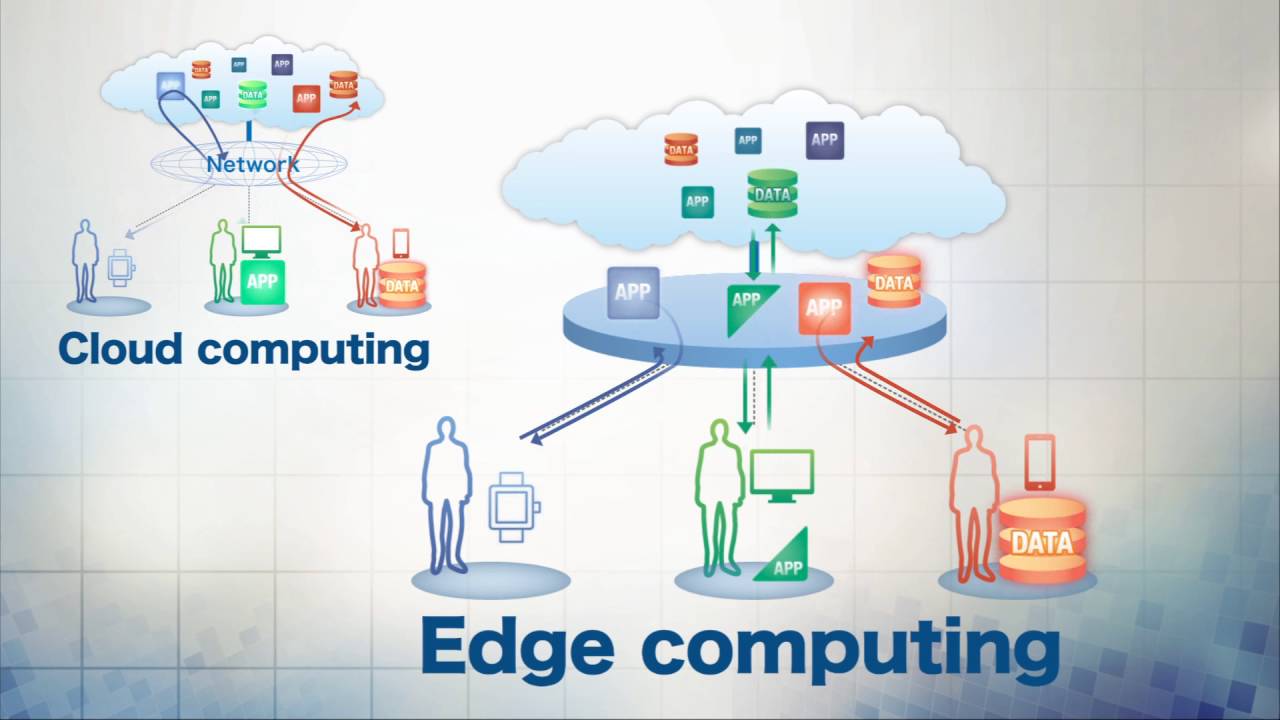
Edge computing utilizes distributed computing resources (physical as well as virtual) that process end-user requests close to the end-user, as opposed to only sending the requests to a centralized data center(s) far away from the end-user(s). Instead, edge computing allows the requests from many different types of devices to be processed on-site within the same time zone where the end-user resides.
SEO Advantages of Edge Computing for Hosting Sites
Higher Page Speed
Google hasconfirmed that page speed is a ranking factor. In addition, edge hosting hasa huge effect on:
Time to First Byte
Largest Contentful Paint
Total Page Load Time
Websites with quick loading speeds rank at the topof search results and have higher conversion rates.
Improved Core Web VitalsCore Web Vitals are metrics used to evaluate how quickly a website loads. Edge computing positively impacts several Core Web Vitals:
Largest Contentful PaintFirst Input Delay
Interaction to Next Paint
This means that your websitecan be more successful based on the vital statistics most relevant to your business.
Reduced Bounce Rates
A website that loads slowly will lose users. Edge hostingdelivers instant content to your users and greatly reduces bounce rate and increases user dwelltime.
Use Cases of Edge Computing for Hosting Websites
High-TrafficSites
News websites, blogs, and video sites benefit from:
Global load balancing
Zero-downtime
eCommerce Sites
The growth of e-commerce is influenced by:
Speeding the loading of product pages
Providing personalized recommendations
Providina cured checkout experience
This can significantly affect sales and trust from customers.
SaaS and Web Applications
An edge hosting architecture will support:
Real-time dashboards
API-driven applications
Real-time response times to users
This is especially useful for SaaS products that serve a global user base.
API & Microservices Hosting
The ability to use edge nodes will provide a faster response time to API requests for mobile applications and integrations.
Share this article
Get More Insights
Subscribe to our newsletter for weekly cloud tips.
Related Articles
View All →
How to Secure Your Website: Detailed Steps for Installing SSL Certificates on Your Hosting Account
Installing an SSL certificate is a crucial step in securing your website, protecting user data, and boosting SEO rankings. This comprehensive guide provides a detailed, keyword-rich walkthrough on how to install SSL certificates on your web hosting account.

Comprehensive Guide: How to Compare Web Hosting Plans
Selecting the right web hosting plan is a crucial step in building and maintaining a successful website. With numerous options available, it can be overwhelming to decide which hosting plan best meets your needs. This guide will help you navigate the process by outlining the key factors to consider when comparing hosting plans.
Pay-Per-Click Advertising: A Pillar of Modern Marketing
In the vast digital landscape, businesses are constantly seeking ways to amplify their online presence and drive targeted traffic to their websites. Pay-per-click (PPC) advertising has emerged as a potent tool in achieving these objectives
Ready to optimize your hosting?
Explore our enterprise-grade hosting plans designed for speed, security, and scale.