How To Launch Your Online Venture: Key Steps to Start Your Online Business
In today's interconnected world, the prospect of launching an online business is both exciting and daunting. With the right strategies and mindset, however, turning your entrepreneurial dreams into a thriving digital reality is entirely within reach.

Starting an online business can be an exciting and rewarding venture. Here’s a step-by-step guide to help you navigate the process from conception to launch and beyond.
Step 1: Identify Your Niche and Business Idea
1. Research Market Needs:Identify gaps in the market or areas with high demand but low competition.
2. Choose a Niche: Select a specific area where you can offer unique value or solve a problem.
3. Validate Your Idea: Use surveys, focus groups, and test marketing to ensure there is an audience for your product or service.
Step 2: Create a Business Plan
1. Executive Summary: Outline your business goals and the strategies to achieve them.
2. Market Analysis: Detail your target market, competitors, and market trends.
3. Business Model: Explain how you will make money (e.g., sales, subscriptions, advertising).
4. Marketing Plan: Describe your strategies for attracting and retaining customers.
5. Financial Plan:Include projections for revenue, expenses, and profitability.
Step 3: Choose a Business Name and Legal Structure
1. Business Name: Ensure it is unique, easy to remember, and reflects your brand.
2. Domain Name: Register a domain name that matches your business name.
3. Legal Structure:Choose between sole proprietorship, partnership, LLC, or corporation based on your business needs and risk tolerance.
4. Register Your Business: Register your business with the appropriate government authorities and obtain any necessary permits or licenses.
Step 4: Build Your Online Presence
1. Website Development:
- Platform: Choose a platform like WordPress, Shopify, or custom development.
- Design: Create a user-friendly and visually appealing design.
- Content: Develop high-quality content that engages and informs your audience.
2. E-commerce Setup:
- Product Listings: Write detailed and compelling descriptions with high-quality images.
- Payment Gateway: Set up secure payment processing (e.g., PayPal, Stripe).
3. Mobile Optimization: Ensure your website is mobile-friendly.
Step 5: Develop a Marketing Strategy
1. SEO (Search Engine Optimization): Optimize your website to rank higher in search engine results.
2. Content Marketing: Create valuable content such as blogs, videos, and infographics to attract and retain customers.
3. Social Media Marketing:Utilize platforms like Facebook, Instagram, Twitter, and LinkedIn to promote your business.
4. Email Marketing: Build an email list and send regular updates, promotions, and valuable content to your subscribers.
5. Paid Advertising: Use Google Ads, Facebook Ads, and other paid channels to drive traffic to your site.
Step 6: Launch Your Business
1. Soft Launch: Test your site with a small group of users to gather feedback and make improvements.
2. Official Launch: Announce your launch through press releases, social media, and email marketing.
3. Monitor Performance: Use analytics tools like Google Analytics to track traffic, conversions, and user behavior.
Step 7: Scale and Grow
1. Customer Feedback: Continuously gather and act on feedback to improve your products and services.
2. Product Expansion: Add new products or services based on market demand.
3. Marketing Optimization: Continuously optimize your marketing strategies for better performance.
4. Automation: Implement tools and software to automate repetitive tasks and improve efficiency.
5. Partnerships: Form strategic partnerships to expand your reach and resources.
Additional Tips
- Stay Compliant: Ensure you comply with all relevant laws and regulations, including data privacy and consumer protection laws.
- Financial Management: Keep accurate financial records and manage your cash flow effectively.
- Customer Service: Provide excellent customer service to build trust and loyalty.
Resources
- Business Tools: Platforms like Shopify, WordPress, Google Analytics, and Hootsuite can streamline various aspects of your online business.
- Learning Platforms:Websites like Coursera, Udemy, and LinkedIn Learning offer courses on online business management and marketing.
- Mentorship: Consider joining entrepreneurial networks or finding a mentor to guide you through your business journey.
Share this article
Get More Insights
Subscribe to our newsletter for weekly cloud tips.
Related Articles
View All →
Pay-Per-Click (PPC) vs. Search Engine Optimization (SEO): Choosing the Right Strategy
In the digital marketing landscape, businesses have a plethora of options to increase their online visibility and attract potential customers. Two popular strategies are Pay-Per-Click (PPC) advertising and Search Engine Optimization (SEO).
cpanel guide
cPanel is a popular web hosting control panel that simplifies website and server management tasks for both website owners and server administrators.
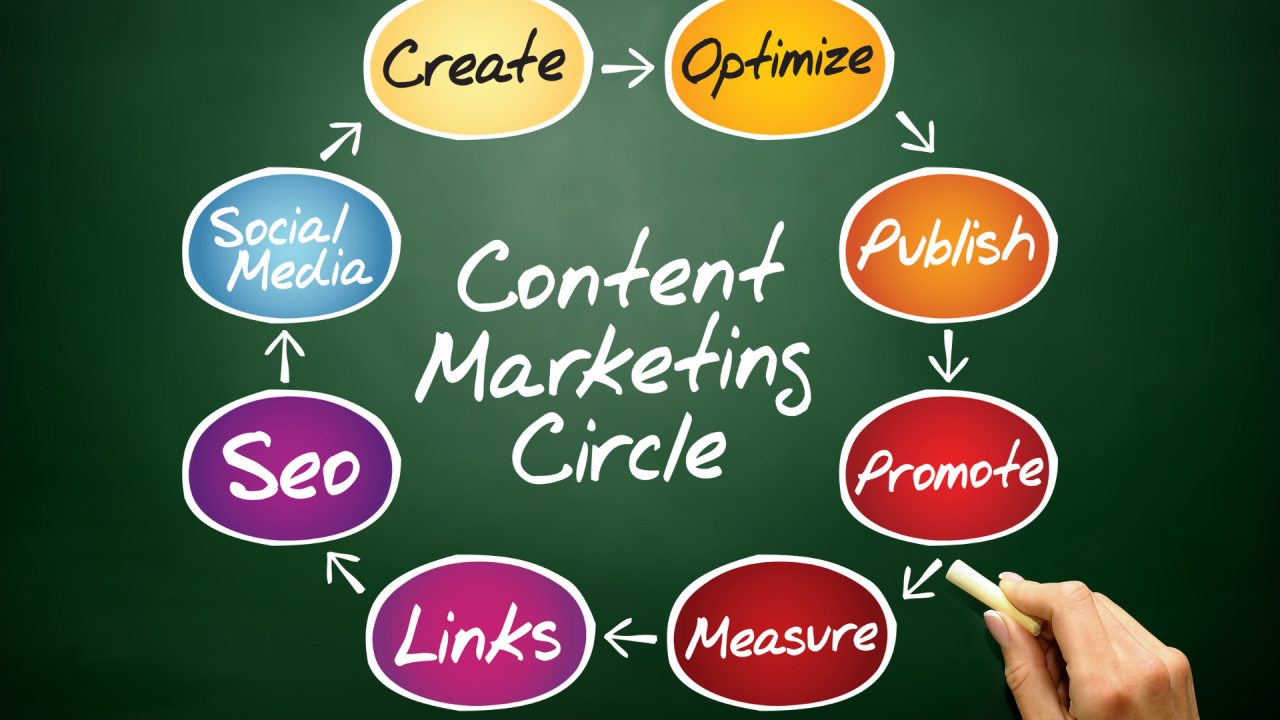
How to Master Content Creation: Strategies for Online Success
In the digital era, content has become the cornerstone of online engagement and marketing success. Whether you're aiming to educate, entertain, or inspire your audience, mastering content creation is essential for building a strong online presence and driving meaningful connections
Ready to optimize your hosting?
Explore our enterprise-grade hosting plans designed for speed, security, and scale.