How to Master Content Creation: Strategies for Online Success
In the digital era, content has become the cornerstone of online engagement and marketing success. Whether you're aiming to educate, entertain, or inspire your audience, mastering content creation is essential for building a strong online presence and driving meaningful connections
Introduction
In the digital era, content has become the cornerstone of online engagement and marketing success. Whether you're aiming to educate, entertain, or inspire your audience, mastering content creation is essential for building a strong online presence and driving meaningful connections. In this article, we explore proven strategies and best practices for creating compelling and impactful content that resonates with your audience.
1. Know Your Audience
Understanding your target audience is the foundation of effective content creation. Take the time to research and analyze your audience demographics, interests, preferences, and pain points. Create detailed buyer personas to represent different segments of your audience and tailor your content to address their specific needs and motivations.
2. Define Your Content Goals
Before diving into content creation, clarify your objectives and goals. Are you aiming to increase brand awareness, drive website traffic, generate leads, or boost sales? Align your content goals with your overall business objectives and develop a content strategy that supports your goals while providing value to your audience.
3. Create High-Quality, Valuable Content
Quality should always take precedence over quantity when it comes to content creation. Focus on producing content that is informative, relevant, and valuable to your audience. Whether you're writing blog posts, creating videos, or designing infographics, aim to deliver content that educates, entertains, or solves a problem for your audience.
4. Choose the Right Content Formats
Different types of content resonate with different audiences and serve different purposes. Experiment with a variety of content formats such as blog posts, videos, podcasts, infographics, case studies, and interactive quizzes to keep your content fresh and engaging. Pay attention to which formats perform best with your audience and double down on those formats.
5. Optimize for Search Engines
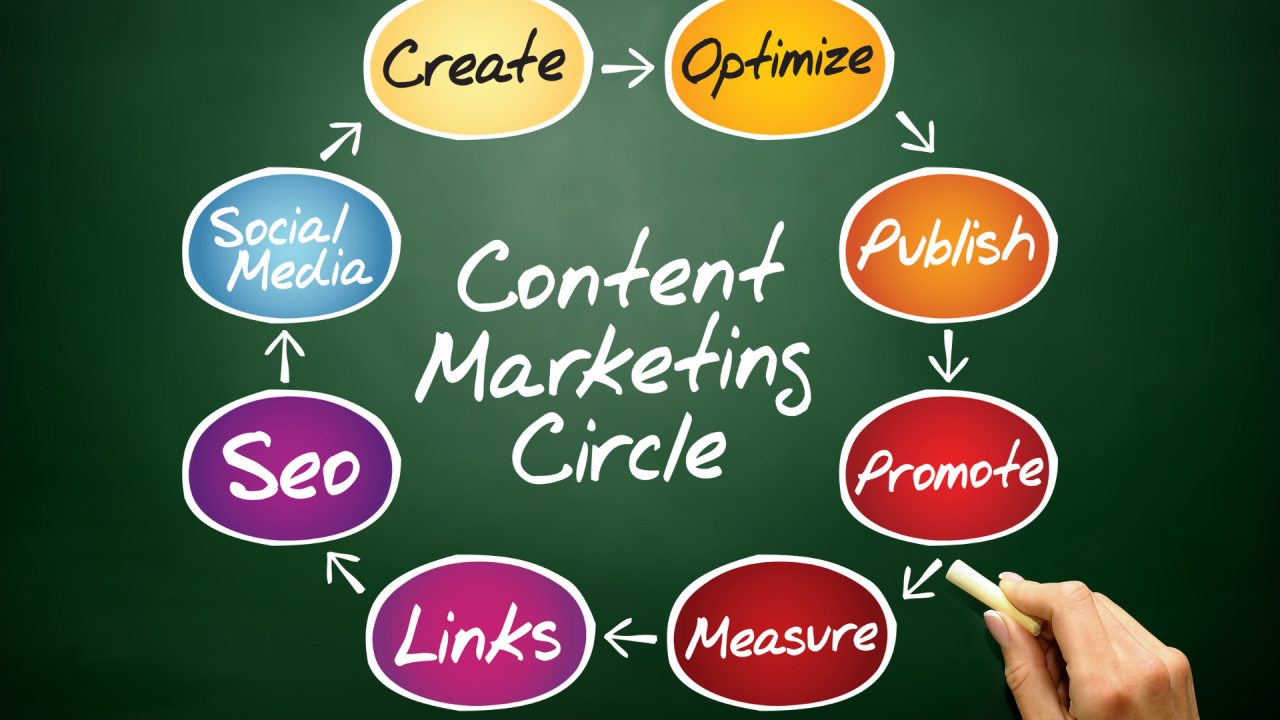
Search engine optimization (SEO) plays a crucial role in content creation, helping your content rank higher in search engine results and attract organic traffic. Conduct keyword research to identify relevant keywords and incorporate them strategically into your content, including titles, headings, meta descriptions, and body copy. Focus on creating high-quality, user-friendly content that provides value to your audience while optimizing for SEO.
6. Leverage Visual Content
Visual content is highly engaging and can help capture your audience's attention more effectively than text alone. Incorporate visuals such as images, graphics, videos, and infographics into your content to make it more visually appealing and shareable. Use visual content to convey information, evoke emotions, and reinforce your brand messaging.
7. Encourage Engagement and Interaction
Create opportunities for audience engagement and interaction to foster a sense of community and connection. Encourage comments, likes, shares, and user-generated content by asking questions, soliciting feedback, and running contests or giveaways. Respond promptly to comments and messages to show that you value your audience's input and participation.
8. Analyze and Iterate
Monitor the performance of your content regularly and use data-driven insights to inform your content strategy. Track key metrics such as website traffic, engagement metrics, conversion rates, and social media analytics to gauge the effectiveness of your content. Identify top-performing content and analyze what elements contribute to its success. Use this feedback to refine your content strategy and optimize future content creation efforts.
Conclusion
Effective content creation is a dynamic and iterative process that requires a deep understanding of your audience, clear objectives, and a commitment to quality and relevance. By following these strategies and best practices, you can create compelling and impactful content that resonates with your audience, drives meaningful engagement, and helps you achieve your business goals in the digital landscape.
Share this article
Get More Insights
Subscribe to our newsletter for weekly cloud tips.
Related Articles
View All →
7 Red Flags Your Web Host is Failing (How to Migrate Without Losing SEO)
Is your web hosting provider slowing your site, causing downtime, or risking security? Slow loading speeds, frequent outages, and lack of SSL certificates can tank SEO rankings and user trust. Discover the 7 red flags your host is failing—and follow our step-by-step guide to migrate seamlessly. Protect your traffic, rankings, and revenue by switching to a reliable, SEO-friendly hosting solution today.

Dynamic Marketing Strategies for Website Growth
Marketing strategies for any website involve a combination of tactics aimed at increasing visibility, driving traffic, and ultimately achieving the website's goals, whether it's increasing sales, generating leads, or raising brand awareness
How to improve your website load speed
Improving website speed is essential for providing a positive user experience, reducing bounce rates, and improving search engine rankings. Here are some essential factors to consider for optimizing website speed:
Ready to optimize your hosting?
Explore our enterprise-grade hosting plans designed for speed, security, and scale.