How to Compare Hosting Plans: A Comprehensive Guide
Choosing the right web hosting plan is crucial for the success of your website. With so many options available, it can be challenging to determine which plan best meets your needs. This guide will help you understand the key factors to consider when comparing hosting plans, ensuring you make an informed decision.

Choosing the right web hosting plan is crucial for the success of your website. With so many options available, it can be challenging to determine which plan best meets your needs. This guide will help you understand the key factors to consider when comparing hosting plans, ensuring you make an informed decision.
1. Identify Your Website’s Needs
Before you start comparing hosting plans, it’s essential to understand your website’s specific requirements. Consider the following factors:
- Website Type: Is it a blog, e-commerce store, portfolio, or business site?
- Traffic Volume: Estimate the number of visitors you expect to receive monthly.
- Resource Requirements: Assess your needs for storage, bandwidth, databases, and email accounts.
- Technical Expertise: Determine your comfort level with managing server settings and technical aspects.
2. Understand Different Hosting Types
Web hosting comes in various types, each with its own set of features and benefits:
- Shared Hosting: Multiple websites share the same server resources. It’s cost-effective but may have limited performance and scalability.
- VPS Hosting: Virtual Private Server (VPS) hosting offers dedicated resources within a shared environment, providing better performance and control.
- Dedicated Hosting: You get an entire server dedicated to your website, offering maximum performance, security, and customization options.
- Cloud Hosting: Uses multiple servers to ensure high availability and scalability. Ideal for websites with fluctuating traffic.
- Managed Hosting: The hosting provider manages the server, including updates, security, and backups, ideal for those without technical expertise.
3. Evaluate Key Features
When comparing hosting plans, pay attention to the following critical features:
- Uptime Guarantee: Look for hosting providers that offer at least a 99.9% uptime guarantee. This ensures your website remains accessible most of the time.
- Performance: Check for SSD storage, CDN integration, and caching capabilities that can enhance your website’s speed and performance.
- Scalability: Ensure the hosting plan allows for easy upgrades as your website grows. This includes adding more storage, bandwidth, and processing power.
- Security: Look for features such as SSL certificates, daily backups, firewalls, and malware protection to keep your website secure.
- Customer Support: 24/7 customer support is crucial. Ensure the hosting provider offers support via multiple channels, including live chat, email, and phone.
4. Consider Pricing and Value
Price is an essential factor, but it shouldn’t be the only consideration. Evaluate the value you get for the price:
- Initial vs. Renewal Prices: Be aware that introductory prices are often lower than renewal rates. Check the long-term cost.
- Money-Back Guarantee: A money-back guarantee allows you to test the hosting service risk-free. Look for providers offering at least a 30-day guarantee.
- Hidden Costs: Watch out for hidden fees for services like domain registration, backups, and SSL certificates.
5. Read Reviews and Testimonials
Customer reviews and testimonials provide insights into the hosting provider’s reliability and customer satisfaction. Look for reviews on independent websites, forums, and social media. Pay attention to common themes in the feedback, both positive and negative.
6. Check for Additional Services
Some hosting providers offer additional services that can add value to your plan:
- Website Builder: Easy-to-use tools for building and designing your website without coding knowledge.
- Email Hosting: Professional email services with your domain name.
- Free Domain: Some plans include a free domain registration for the first year.
- E-commerce Features: If you’re running an online store, look for features like shopping cart integration, payment gateways, and SSL certificates.
7. Assess the Control Panel
The control panel is where you manage your hosting account and website. Popular control panels include cPanel, Plesk, and proprietary interfaces. Ensure the control panel is user-friendly and provides all the necessary tools for managing your website.
8. Look for Migration Assistance
If you’re moving an existing website to a new host, check if the provider offers migration assistance. Many hosting companies offer free migration services to help transfer your website smoothly without downtime or data loss.
9. Evaluate the Provider’s Reputation
A hosting provider’s reputation is built on its reliability, performance, and customer service. Research the provider’s history, industry awards, and recognitions. A well-established provider with a good track record is likely to offer better service and support.
10. Test the Hosting Provider
If possible, test the hosting provider’s service before committing long-term. Some providers offer trial periods or allow you to pay month-to-month initially. This gives you a chance to experience their performance, support, and features firsthand.
Conclusion
Comparing hosting plans requires a thorough evaluation of your needs and the features offered by various providers. By considering factors like performance, scalability, security, and customer support, you can choose a hosting plan that best fits your website’s requirements. Taking the time to research and compare options will ensure that you select a reliable hosting provider, setting the foundation for your website’s success.
4o
Table of Contents
Share this article
Get More Insights
Subscribe to our newsletter for weekly cloud tips.
Related Articles
View All →
How to create a Client-Centric Website Content Crafting: Brand, Audience, Goals, Experience
Building website content for a client involves understanding their brand, target audience, goals, and desired user experience.
How to Upgrade or Downgrade Your Hosting Plan for Growing Websites
As your website expands, upgrading your hosting plan becomes essential to accommodate increased traffic, enhance performance, and ensure security.
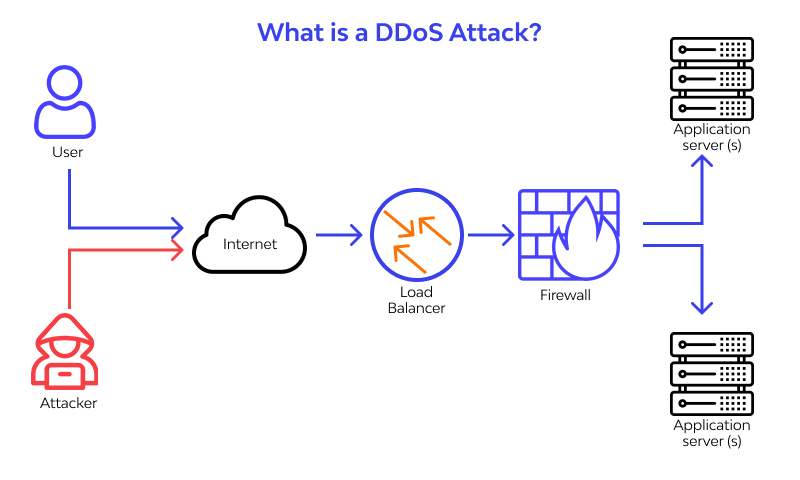
How to Prevent and Handle DDoS Attacks on Your Website
flooding a targeted server with traffic, overwhelming its resources and rendering the website unusable. These attacks can vary in complexity and scale, from small, short-lived disruptions to large, prolonged assaults.
Ready to optimize your hosting?
Explore our enterprise-grade hosting plans designed for speed, security, and scale.