Essential Features of Reseller Hosting Plans: Choosing the Best Options
Choosing the right reseller hosting plan is crucial for individuals or businesses looking to offer web hosting services to their clients.

Choosing the right reseller hosting plan is crucial for individuals or businesses looking to offer web hosting services to their clients. This article outlines key features that should be considered when evaluating reseller hosting options to ensure reliability, performance, and scalability.
1. Disk Space and Bandwidth Allocation
Adequate disk space and bandwidth are essential for hosting multiple websites and handling varying levels of traffic. Look for reseller hosting plans that offer generous allocations suitable for your business needs, ensuring room for growth without compromising website performance.
2. White-Labeling and Branding
White-labeling capabilities allow you to customize the hosting service with your branding elements, such as custom logos, nameservers, and control panel branding. This enhances your credibility and professionalism when reselling hosting services to clients.
3. Performance and Uptime Guarantees
Reliability is paramount in reseller hosting. Ensure the hosting provider guarantees a high uptime percentage (e.g., 99.9% or higher) to minimize website downtime. Look for robust infrastructure, such as SSD storage, multiple data centers, and powerful servers, to support optimal performance.
4. Scalability and Flexibility
Choose a reseller hosting plan that offers scalability to accommodate growth in your client base and traffic demands. Scalable resources such as RAM and CPU ensure that your clients' websites can handle increasing traffic without performance degradation.
5. Control Panel Options
A user-friendly control panel is essential for managing client accounts, websites, and settings efficiently. Popular control panels like cPanel or Plesk offer intuitive interfaces and a range of features for easy management of hosting resources and client accounts.
6. Customer Support
Responsive and knowledgeable customer support is critical when issues arise with client websites or server management. Look for hosting providers that offer 24/7 support via multiple channels (e.g., phone, live chat, ticket system) to ensure prompt resolution of technical issues.
7. Security Features
Robust security measures protect client data and websites from cyber threats. Essential security features include SSL certificates, firewalls, malware scanning, and regular backups. Ensure the hosting provider prioritizes security and offers proactive monitoring and protection.
8. Additional Features and Add-ons
Evaluate additional features and add-ons offered with the reseller hosting plan, such as free domain reseller accounts, automated billing systems, website builder tools, and marketing resources. These extras can add value and competitive advantages to your hosting services.
Conclusion
Choosing the right reseller hosting plan involves considering a range of factors to ensure reliability, performance, and support for your clients' websites. By prioritizing essential features such as disk space, performance guarantees, scalability, control panel options, customer support, security features, and additional add-ons, you can confidently select a reseller hosting plan that meets your business needs and enhances your ability to deliver quality hosting services to clients. Conduct thorough research, compare plans, and choose a reputable hosting provider to establish a successful reseller hosting business.
This article outlines key features that should be considered when evaluating reseller hosting options to ensure reliability, performance, and scalability.
1. Disk Space and Bandwidth Allocation
Adequate disk space and bandwidth are essential for hosting multiple websites and handling varying levels of traffic. Look for reseller hosting plans that offer generous allocations suitable for your business needs, ensuring room for growth without compromising website performance.
2. White-Labeling and Branding
White-labeling capabilities allow you to customize the hosting service with your branding elements, such as custom logos, nameservers, and control panel branding. This enhances your credibility and professionalism when reselling hosting services to clients.
3. Performance and Uptime Guarantees
Reliability is paramount in reseller hosting. Ensure the hosting provider guarantees a high uptime percentage (e.g., 99.9% or higher) to minimize website downtime. Look for robust infrastructure, such as SSD storage, multiple data centers, and powerful servers, to support optimal performance.
4. Scalability and Flexibility
Choose a reseller hosting plan that offers scalability to accommodate growth in your client base and traffic demands. Scalable resources such as RAM and CPU ensure that your clients' websites can handle increasing traffic without performance degradation.
5. Control Panel Options
A user-friendly control panel is essential for managing client accounts, websites, and settings efficiently. Popular control panels like cPanel or Plesk offer intuitive interfaces and a range of features for easy management of hosting resources and client accounts.
6. Customer Support
Responsive and knowledgeable customer support is critical when issues arise with client websites or server management. Look for hosting providers that offer 24/7 support via multiple channels (e.g., phone, live chat, ticket system) to ensure prompt resolution of technical issues.
7. Security Features
Robust security measures protect client data and websites from cyber threats. Essential security features include SSL certificates, firewalls, malware scanning, and regular backups. Ensure the hosting provider prioritizes security and offers proactive monitoring and protection.
8. Additional Features and Add-ons
Evaluate additional features and add-ons offered with the reseller hosting plan, such as free domain reseller accounts, automated billing systems, website builder tools, and marketing resources. These extras can add value and competitive advantages to your hosting services.
Conclusion
Choosing the right reseller hosting plan involves considering a range of factors to ensure reliability, performance, and support for your clients' websites. By prioritizing essential features such as disk space, performance guarantees, scalability, control panel options, customer support, security features, and additional add-ons, you can confidently select a reseller hosting plan that meets your business needs and enhances your ability to deliver quality hosting services to clients. Conduct thorough research, compare plans, and choose a reputable hosting provider to establish a successful reseller hosting business.
Table of Contents
Share this article
Get More Insights
Subscribe to our newsletter for weekly cloud tips.
Related Articles
View All →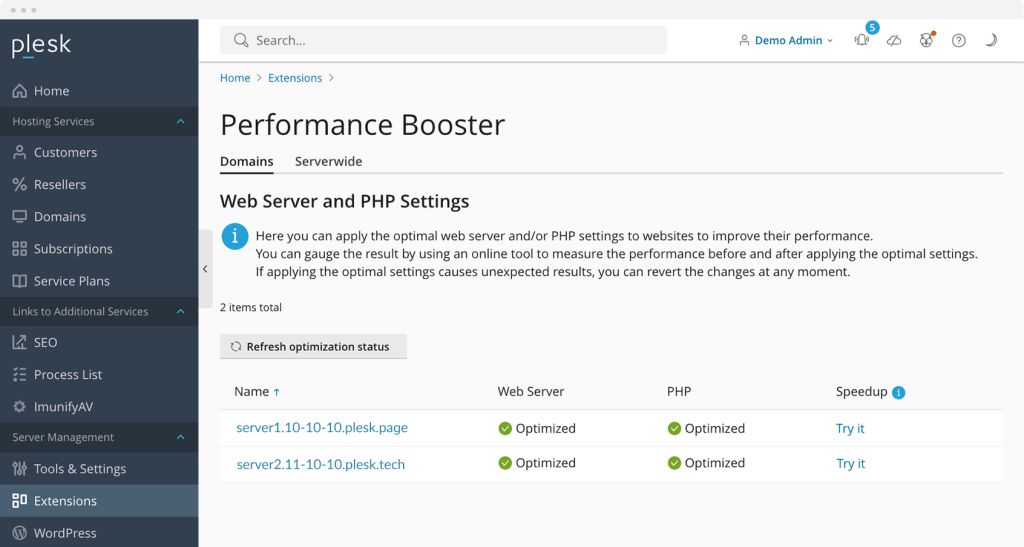
Boosting Efficiency with Plesk Automation Tools for Web Hosting Providers
Plesk, a popular web hosting control panel, offers a range of automation tools designed to streamline operations, reduce manual tasks, and enhance overall productivity for web hosting providers.
_1720798172.png)
Mastering Server Management: Exploring Web Host Manager (WHM)
Web Host Manager (WHM) is a powerful web hosting control panel widely used by hosting providers to manage and administer web hosting accounts on Linux-based servers.
Deciphering the Domain Name System in Web Hosting: A Key Element of Digital Presence
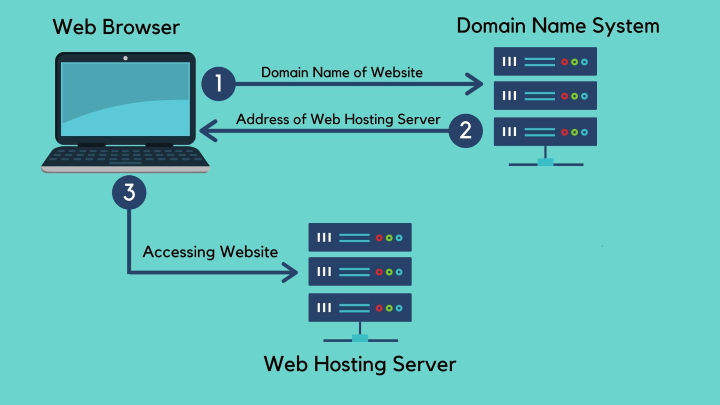
In the realm of web hosting, where every click and interaction is facilitated by a complex network of servers and services, the Domain Name System (DNS) stands as a crucial pillar of connectivity and accessibility.
Ready to optimize your hosting?
Explore our enterprise-grade hosting plans designed for speed, security, and scale.