Deciphering the Domain Name System in Web Hosting: A Key Element of Digital Presence
In the realm of web hosting, where every click and interaction is facilitated by a complex network of servers and services, the Domain Name System (DNS) stands as a crucial pillar of connectivity and accessibility.
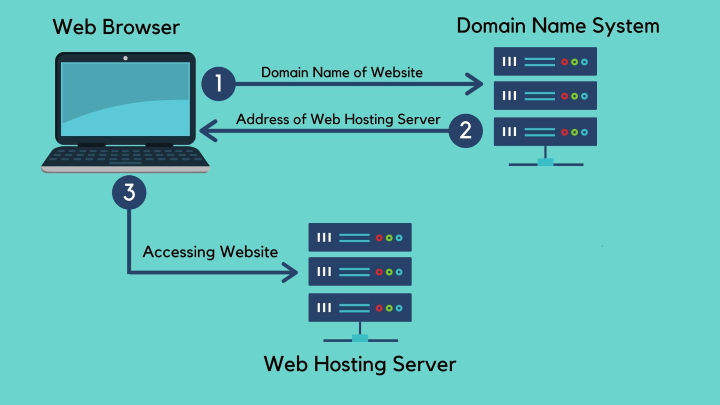
In the realm of web hosting, where every click and interaction is facilitated by a complex network of servers and services, the Domain Name System (DNS) stands as a crucial pillar of connectivity and accessibility. As websites vie for attention in the vast expanse of the internet, understanding the role of the DNS in the web hosting ecosystem becomes paramount. Let's delve into the intricacies of the Domain Name System within the context of web hosting and explore its significance in shaping the digital landscape.
The Role of DNS in Web Hosting
At its core, the Domain Name System serves as the bridge between human-readable domain names and machine-readable IP addresses, enabling users to access websites and online services effortlessly. In the context of web hosting, the DNS plays several key roles:
-
Domain Name Resolution: When a user enters a domain name (e.g., www.example.com) into their web browser, the DNS translates this human-readable name into the corresponding IP address of the web server hosting the website. This process, known as domain name resolution, is essential for establishing connections between users and web servers.
-
Domain Management: Web hosting providers often offer domain registration services, allowing customers to register and manage domain names through their hosting accounts. The DNS plays a central role in managing domain settings, such as DNS records, nameservers, and domain aliases, enabling users to customize their online presence according to their specific needs.
-
Subdomain Configuration: In web hosting environments, subdomains (e.g., blog.example.com) can be created to organize content and services within a larger domain. The DNS facilitates the configuration of subdomains by mapping them to specific directories or servers, enabling users to create distinct sections or functionalities within their websites.
-
Email Routing: In addition to website hosting, many web hosting providers offer email hosting services, allowing users to create custom email addresses associated with their domain names (e.g., info@example.com). The DNS plays a crucial role in routing email traffic by specifying the mail exchange (MX) records that determine the mail servers responsible for handling incoming and outgoing emails.
DNS Management in Web Hosting
Effective DNS management is essential for ensuring the reliability, security, and performance of web hosting environments. Web hosting providers typically offer tools and interfaces for managing DNS settings within hosting accounts, empowering users to configure DNS records, nameserver settings, and other domain-related parameters. Key aspects of DNS management in web hosting include:
-
DNS Records: DNS records contain essential information about domain names and their associated resources, such as IP addresses, mail servers, and aliases. Common types of DNS records include Address (A) records, Canonical Name (CNAME) records, Mail Exchange (MX) records, and Name Server (NS) records. Web hosting users can create, modify, and delete DNS records to configure their domain settings according to their requirements.
-
Nameserver Configuration: Nameservers are specialized DNS servers responsible for resolving domain names to IP addresses and handling DNS queries for specific domains. Web hosting providers typically assign nameservers to hosting accounts, allowing users to delegate DNS management to the hosting provider or configure custom nameservers for advanced DNS management.
-
Domain Transfers and DNS Propagation: When transferring domain names between registrars or updating DNS settings, DNS propagation is required to propagate DNS changes across the global DNS infrastructure. DNS propagation can take several hours to propagate changes fully, during which time users may experience temporary disruptions in website accessibility and email delivery.
The Impact of DNS Performance on Web Hosting
In the competitive landscape of web hosting, the performance of the Domain Name System can significantly impact the user experience, website availability, and search engine rankings. Factors that influence DNS performance include:
-
Nameserver Reliability: The reliability and responsiveness of nameservers play a crucial role in DNS resolution speed and uptime. Web hosting providers often invest in robust nameserver infrastructure with redundant servers and network connectivity to ensure high availability and fast response times.
-
DNS Caching: DNS resolvers and client devices cache DNS records to reduce latency and improve performance. Web hosting providers can optimize DNS caching settings to control the duration of DNS record caching and minimize the impact of DNS changes on website accessibility.
-
Geographic DNS Distribution: Content Delivery Networks (CDNs) and GeoDNS services leverage geographic DNS distribution to route DNS queries to the nearest available server location, reducing latency and improving website performance for users worldwide. Web hosting providers may integrate CDN and GeoDNS capabilities to enhance the global reach and responsiveness of hosted websites.
Conclusion
In the dynamic and interconnected world of web hosting, the Domain Name System plays a central role in enabling seamless connectivity, accessibility, and customization for websites and online services. By bridging the gap between domain names and IP addresses, the DNS empowers individuals, businesses, and organizations to establish their digital presence and engage with audiences worldwide.
As web hosting continues to evolve and innovate, understanding the intricacies of the Domain Name System becomes essential for optimizing website performance, ensuring security, and delivering exceptional user experiences. By harnessing the power of DNS management tools and practices, web hosting providers and users alike can unlock new opportunities and navigate the digital landscape with confidence and agility
Share this article
Get More Insights
Subscribe to our newsletter for weekly cloud tips.
Related Articles
View All →
Understanding Web Hosting and How to Choose a Domain Name
- Understanding Web Hosting: Explaining different types of hosting (shared, VPS, dedicated) and their pros/cons. - How to Choose a Domain Name: Tips for selecting a domain name that aligns with your brand

Empowering Entrepreneurs in the Web Hosting Field
At Tbx Host, we are passionate about supporting entrepreneurs who are venturing into the web hosting industry. We understand the unique challenges and opportunities that come with running a web hosting business, and we are committed to providing the resources, tools, and support needed to help you succeed.

Pioneering Web Solutions with Plesk Hosting Power
Plesk hosting refers to web hosting services that utilize the Plesk control panel as the primary management interface for hosting websites, applications, and other digital assets.
Ready to optimize your hosting?
Explore our enterprise-grade hosting plans designed for speed, security, and scale.