WordPress vs Custom Websites: Choosing the Right Solution
Comparing WordPress and custom-based websites involves understanding their distinct advantages, functionalities, and suitability for different business needs. WordPress, a popular content management system (CMS), offers a user-friendly interface and extensive plugin ecosystem, making it ideal for quick deployment and easy content management. On the other hand, custom-based websites provide tailored solutions, offering complete control over design, functionality, and scalability.
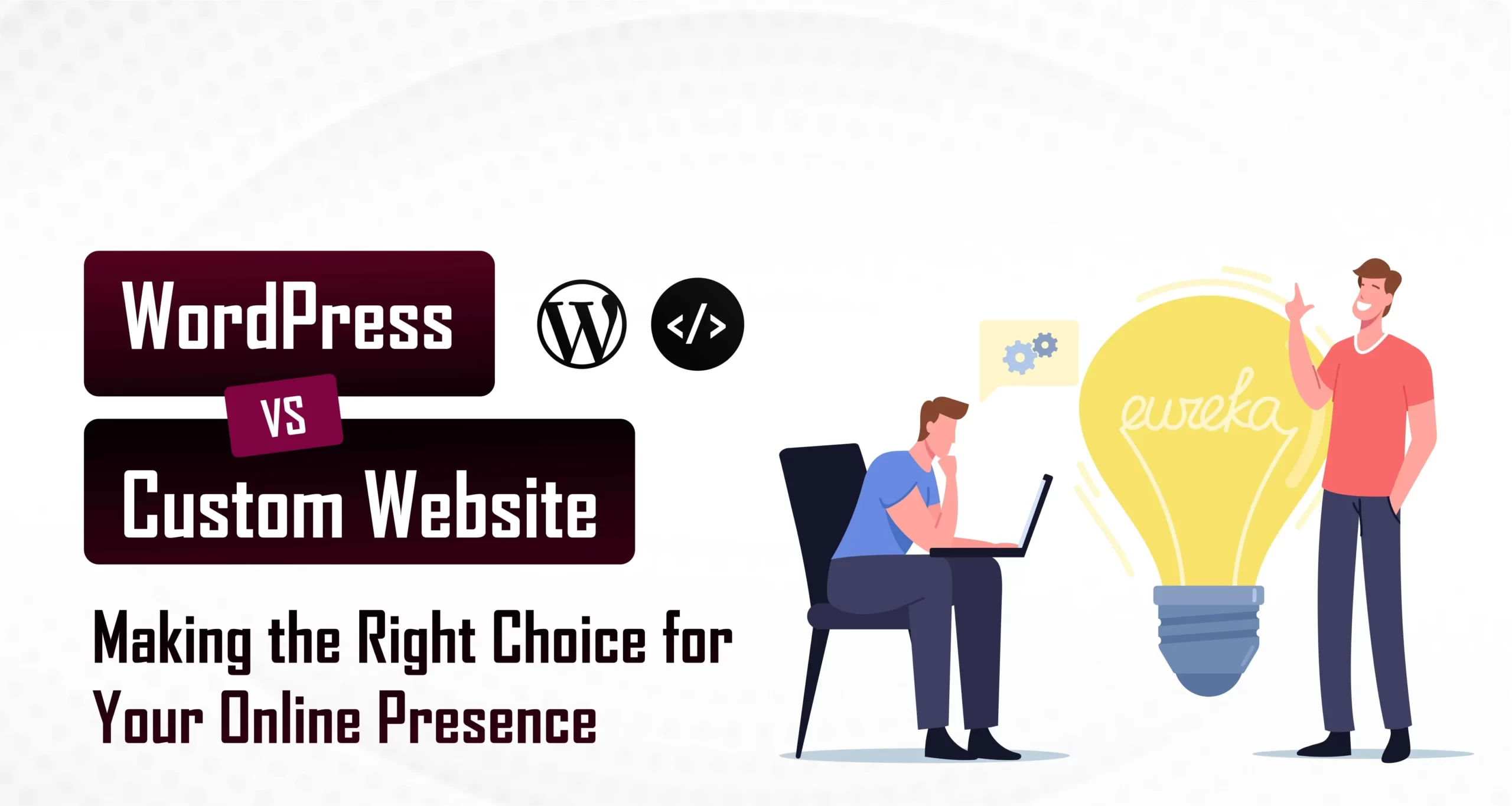
Comparing WordPress and custom-based websites involves understanding their distinct advantages, functionalities, and suitability for different business needs. WordPress, a popular content management system (CMS), offers a user-friendly interface and extensive plugin ecosystem, making it ideal for quick deployment and easy content management. On the other hand, custom-based websites provide tailored solutions, offering complete control over design, functionality, and scalability. Here's a detailed comparison of both approaches:
WordPress Websites
WordPress, known for its flexibility and ease of use, powers a significant portion of websites on the internet. Here are some key aspects:
-
Ease of Setup and Use: WordPress simplifies website creation with pre-designed themes and intuitive content management tools. Users can easily install themes, customize layouts, and add functionality through plugins without extensive technical knowledge.
-
Extensive Plugin Ecosystem: WordPress boasts a vast repository of plugins for various functionalities such as SEO optimization, e-commerce, security enhancements, and performance optimization. Plugins extend the core capabilities of WordPress, allowing users to add features as needed.
-
Community Support and Updates: Being open-source, WordPress benefits from a large community of developers and users who contribute themes, plugins, and provide support through forums and online resources. Regular updates ensure security patches and feature enhancements.
-
Cost Efficiency: WordPress is cost-effective for small to medium-sized businesses, startups, and personal blogs due to its low setup and maintenance costs. However, costs can escalate with premium themes, plugins, and custom development.
-
SEO and Accessibility: WordPress is inherently SEO-friendly with plugins like Yoast SEO and All in One SEO Pack, helping websites rank higher in search engine results. Additionally, WordPress themes and plugins often adhere to accessibility standards, enhancing user experience for all visitors.
Custom-Based Websites
Custom-based websites are tailored solutions designed and developed from scratch, offering unique advantages:
-
Tailored Design and Functionality: Custom websites provide complete control over design aesthetics, user interface (UI), and user experience (UX). Businesses can create a website that aligns perfectly with brand identity and specific business requirements.
-
Scalability and Flexibility: Custom websites are scalable to accommodate business growth and evolving needs. Developers can build features and functionalities tailored to unique business processes and customer interactions, ensuring optimal performance and usability.
-
Performance Optimization: Custom websites often boast superior performance compared to WordPress sites, as developers optimize code, minimize bloat, and tailor server configurations for specific requirements. This results in faster loading times and enhanced user satisfaction.
-
Security and Control: Custom websites offer greater control over security measures, allowing businesses to implement robust security protocols and monitor vulnerabilities proactively. This level of control mitigates risks associated with third-party vulnerabilities and plugin dependencies.
-
Long-Term Cost Efficiency: While initial development costs may be higher, custom websites can offer long-term cost efficiency by avoiding recurring plugin subscription fees, customization limitations, and potential security risks associated with third-party software.
Choosing Between WordPress and Custom-Based Websites
-
Business Goals and Requirements: Consider the specific needs of the business, such as scalability, design flexibility, and unique functionalities required. WordPress is ideal for quick deployment and content-focused websites, while custom solutions are suited for complex functionalities and specific business processes.
-
Budget and Resources: Evaluate budget constraints and available resources for website development, maintenance, and ongoing support. WordPress offers cost-effective solutions, while custom websites require a higher initial investment but may provide long-term cost efficiency and scalability.
-
Technical Expertise: Assess the technical expertise available within the business or team. WordPress requires minimal technical knowledge for setup and management, whereas custom websites necessitate skilled developers proficient in programming languages and web development frameworks.
In conclusion, the choice between WordPress and custom-based websites depends on business priorities, budget considerations, scalability needs, and technical expertise. WordPress offers simplicity, flexibility, and a vast ecosystem of plugins, making it suitable for many small to medium-sized businesses. In contrast, custom-based websites provide tailored solutions, superior control, and scalability, making them ideal for enterprises and businesses with specific requirements for design, functionality, and performance.
Table of Contents
Share this article
Get More Insights
Subscribe to our newsletter for weekly cloud tips.
Related Articles
View All →
Top Content Management Solutions for Web Hosting
A robust CMS can streamline your workflow, enhance user experience, and provide essential tools for managing your site's content efficiently.
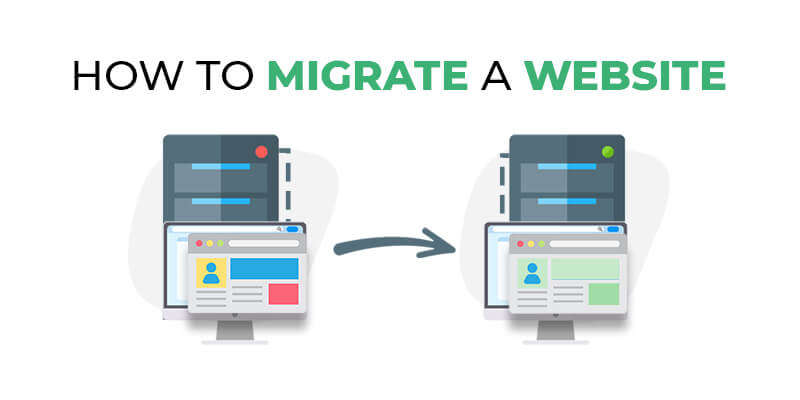
How to Transfer Your Website to a New Hosting Provider
Switching your website to a new hosting provider can seem daunting, but it is often necessary to improve performance, access better features, or get a better deal.
GDPR Compliance for Websites: How Web Hosting Providers Assist
For websites hosted on platforms worldwide, understanding GDPR compliance is crucial to avoid hefty fines and maintain trust with users.
Ready to optimize your hosting?
Explore our enterprise-grade hosting plans designed for speed, security, and scale.