Unlocking the Mystery: Dedicated IP Addresses Demystified
In the intricate world of web hosting, where every click and interaction is powered by a complex network of servers and connections, the significance of IP addresses cannot be overstated
In the intricate world of web hosting, where every click and interaction is powered by a complex network of servers and connections, the significance of IP addresses cannot be overstated. Amidst the array of technical jargon and hosting solutions, dedicated IP addresses emerge as a pivotal component, often veiled in obscurity for many users. What exactly is a dedicated IP address in the context of web hosting, and why does it matter? Let's embark on an in-depth journey to unveil the intricacies of this essential element within the web hosting industry.
Understanding IP Addresses in Web Hosting
In the realm of web hosting, an IP (Internet Protocol) address acts as the digital identifier for a particular server or hosting account. It serves as the virtual address that directs internet traffic to the appropriate destination, allowing users to access websites, applications, and online services seamlessly. Within the spectrum of IP addresses, two primary types prevail: shared and dedicated.
Shared vs. Dedicated IP Addresses
Shared IP addresses are a common occurrence in the web hosting landscape, where multiple websites are hosted on a single server and share the same IP address. While this setup offers cost-effectiveness and efficient resource utilization, it can present limitations, particularly in scenarios where specific hosting requirements or security measures are paramount.
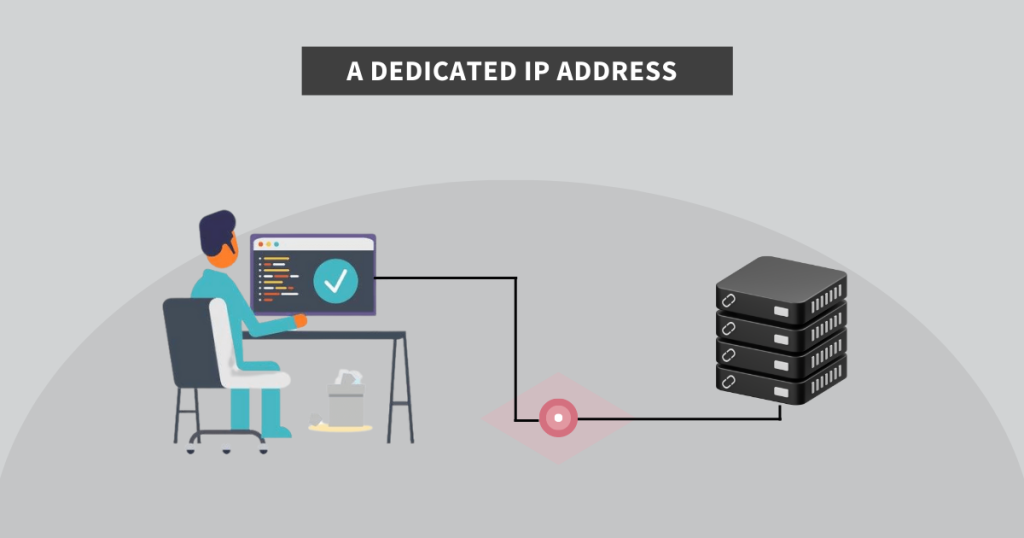
On the contrary, dedicated IP addresses are exclusively assigned to a single hosting account or server. Unlike shared IPs, which may host numerous websites simultaneously, a dedicated IP provides a unique digital identity, ensuring that all incoming traffic is directed solely to the designated hosting environment. This isolation affords greater control, flexibility, and security, making dedicated IPs an attractive proposition for various hosting scenarios.
Why Do You Need a Dedicated IP Address in Web Hosting?
- SSL/TLS Certificates: One of the primary reasons for opting for a dedicated IP address in web hosting is the requirement for SSL/TLS (Secure Sockets Layer/Transport Layer Security) certificates. SSL certificates encrypt data transmitted between the user's browser and the web server, ensuring secure communication and protecting sensitive information such as login credentials, payment details, and personal data. While some SSL certificates support multiple domains on a single IP address (using Server Name Indication or SNI), certain older browsers and applications may require a dedicated IP for compatibility reasons.
- Accessing Websites via IP Address: In some cases, users may need to access websites directly via their IP addresses, bypassing domain name resolution. This can be essential for testing website functionality before DNS propagation, troubleshooting DNS-related issues, or accessing websites hosted on staging environments.
- Email Reputation and Deliverability: In email marketing and communication, the reputation of the IP address from which emails are sent plays a crucial role in deliverability rates. Using a dedicated IP address for email marketing campaigns allows organizations to maintain control over their sender reputation, mitigate the risk of being associated with spam or abusive behavior, and optimize deliverability rates.
- Server Access and Resource Allocation: For certain applications or server configurations, having a dedicated IP address provides granular control over server access and resource allocation. This can be particularly relevant for hosting environments that require specific network configurations, firewall rules, or traffic management policies.
- SEO Considerations: While the impact of IP address types on search engine rankings is a subject of debate, some SEO experts suggest that having a dedicated IP address may offer minor advantages in certain scenarios. This could be attributed to factors such as perceived site stability, reduced likelihood of being affected by neighboring websites' activities, and potential association with higher-quality hosting environments.
Conclusion
In the dynamic and ever-evolving landscape of web hosting, dedicated IP addresses emerge as a valuable asset for ensuring security, reliability, and flexibility. Whether for implementing SSL/TLS encryption, optimizing email deliverability, or fine-tuning server configurations, the unique digital identity provided by dedicated IPs offers a multitude of benefits to website owners, businesses, and developers alike.
By demystifying the role of dedicated IP addresses within the web hosting industry and understanding their significance in various contexts, we empower ourselves to make informed decisions when selecting hosting solutions and optimizing digital experiences. So, the next time you embark on your web hosting journey, remember: behind every website and online service lies a digital address—unlocking opportunities and shaping the future of the internet.
Tags
Share this article
Get More Insights
Subscribe to our newsletter for weekly cloud tips.
Related Articles
View All →
Essential Strategies to Grow Your Online Business
Growing an online business requires a strategic approach, effective marketing, and a focus on customer satisfaction. In today’s competitive digital landscape, understanding how to enhance your online presence and attract more customers is crucial.

How to Find and Fix 404 Errors on Your Website
There are many platforms designed to help website owners quickly identify broken links on a website.

The Importance of SEO in Growing Your Business: Boost Visibility and Drive Traffic
Having a strong online presence is crucial for any business looking to succeed. Search Engine Optimization (SEO) plays a vital role in enhancing that presence, driving organic traffic, and ultimately growing your business.
Ready to optimize your hosting?
Explore our enterprise-grade hosting plans designed for speed, security, and scale.