Unleashing Agility: The Power of Public Cloud Servers
Public cloud servers represent a transformative force in modern IT infrastructure, offering businesses and individuals unparalleled flexibility, scalability, and cost-efficiency.
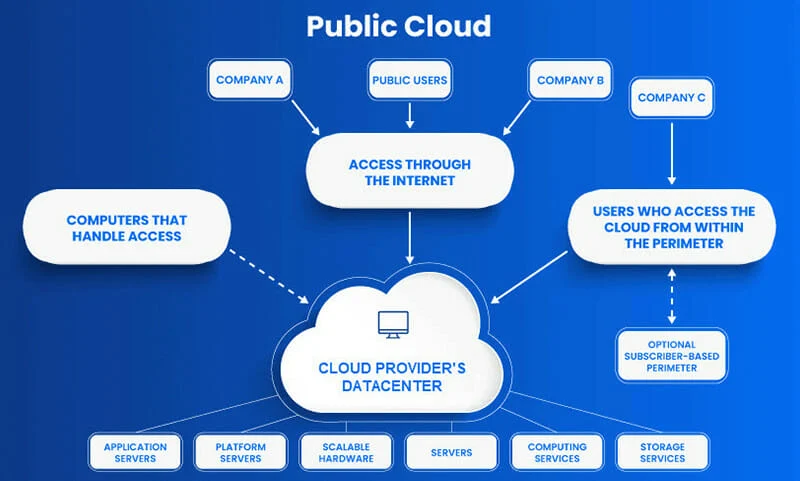
Public cloud servers represent a transformative force in modern IT infrastructure, offering businesses and individuals unparalleled flexibility, scalability, and cost-efficiency. Unlike traditional hosting models where physical servers are owned and maintained on-premises, public cloud servers are hosted and managed by cloud service providers (CSPs) such as Amazon Web Services (AWS), Microsoft Azure, and Google Cloud Platform (GCP). Here's a detailed exploration of what public cloud servers entail and how they benefit users across various sectors.
At the core of public cloud servers is their accessibility and scalability. Users can access computing resources—such as virtual machines (VMs), storage, and networking—via the internet on a pay-as-you-go basis. This eliminates the need for upfront hardware investments and allows businesses to scale resources up or down based on demand, optimizing cost-efficiency and operational agility. Whether it's provisioning additional server instances during peak traffic periods or reducing capacity during off-peak times, public cloud servers provide unparalleled flexibility to adapt to fluctuating business needs.
Moreover, public cloud servers offer robust security measures that are continually updated and maintained by CSPs. This includes physical security of data centers, encryption of data in transit and at rest, and comprehensive access controls to protect against unauthorized access. CSPs also adhere to stringent compliance standards and certifications, ensuring that sensitive data and regulatory requirements are met across industries such as healthcare, finance, and government.
In terms of performance, public cloud servers leverage advanced virtualization technologies to maximize resource utilization and optimize workload management. Users can choose from a wide range of server configurations and geographic regions offered by CSPs, ensuring low-latency access to data and applications for global users. Additionally, public cloud servers often integrate with a vast ecosystem of services and tools, including databases, analytics platforms, machine learning frameworks, and developer tools, empowering businesses to innovate and deliver value-added services to customers.
Cost-effectiveness is another compelling factor driving the adoption of public cloud servers. By outsourcing hardware maintenance and management to CSPs, businesses can reduce operational costs associated with IT infrastructure maintenance, electricity, cooling, and physical space. The pay-as-you-go pricing model allows organizations to align IT expenditures with usage patterns, optimizing financial resources and improving budget predictability.
In conclusion, public cloud servers represent a paradigm shift in IT infrastructure, offering businesses and individuals a scalable, secure, and cost-effective platform to deploy and manage applications, store data, and innovate without the constraints of traditional hosting models. As the digital economy continues to evolve, leveraging public cloud servers enables organizations to stay competitive, drive operational efficiencies, and accelerate their journey towards digital transformation.
Unlike traditional hosting models where physical servers are owned and maintained on-premises, public cloud servers are hosted and managed by cloud service providers (CSPs) such as Amazon Web Services (AWS), Microsoft Azure, and Google Cloud Platform (GCP). Here's a detailed exploration of what public cloud servers entail and how they benefit users across various sectors.
At the core of public cloud servers is their accessibility and scalability. Users can access computing resources—such as virtual machines (VMs), storage, and networking—via the internet on a pay-as-you-go basis. This eliminates the need for upfront hardware investments and allows businesses to scale resources up or down based on demand, optimizing cost-efficiency and operational agility. Whether it's provisioning additional server instances during peak traffic periods or reducing capacity during off-peak times, public cloud servers provide unparalleled flexibility to adapt to fluctuating business needs.
Moreover, public cloud servers offer robust security measures that are continually updated and maintained by CSPs. This includes physical security of data centers, encryption of data in transit and at rest, and comprehensive access controls to protect against unauthorized access. CSPs also adhere to stringent compliance standards and certifications, ensuring that sensitive data and regulatory requirements are met across industries such as healthcare, finance, and government.
In terms of performance, public cloud servers leverage advanced virtualization technologies to maximize resource utilization and optimize workload management. Users can choose from a wide range of server configurations and geographic regions offered by CSPs, ensuring low-latency access to data and applications for global users. Additionally, public cloud servers often integrate with a vast ecosystem of services and tools, including databases, analytics platforms, machine learning frameworks, and developer tools, empowering businesses to innovate and deliver value-added services to customers.
Cost-effectiveness is another compelling factor driving the adoption of public cloud servers. By outsourcing hardware maintenance and management to CSPs, businesses can reduce operational costs associated with IT infrastructure maintenance, electricity, cooling, and physical space. The pay-as-you-go pricing model allows organizations to align IT expenditures with usage patterns, optimizing financial resources and improving budget predictability.
In conclusion, public cloud servers represent a paradigm shift in IT infrastructure, offering businesses and individuals a scalable, secure, and cost-effective platform to deploy and manage applications, store data, and innovate without the constraints of traditional hosting models. As the digital economy continues to evolve, leveraging public cloud servers enables organizations to stay competitive, drive operational efficiencies, and accelerate their journey towards digital transformation.
Share this article
Get More Insights
Subscribe to our newsletter for weekly cloud tips.
Related Articles
View All →
Unbreakable cPanel Security 2025: AI-Powered Defense, Quantum Resilience
Master cPanel security in 2025's threat landscape! This definitive guide reveals AI-driven WAFs, quantum-resistant encryption, kernel-hardening tactics, and automated compliance for bulletproof servers. Defeat ransomware, zero-days, and state-sponsored hackers with next-gen tools like Imunify360, Cloud Linux 11, and Zero-Trust frameworks. Transform vulnerability into impenetrability.
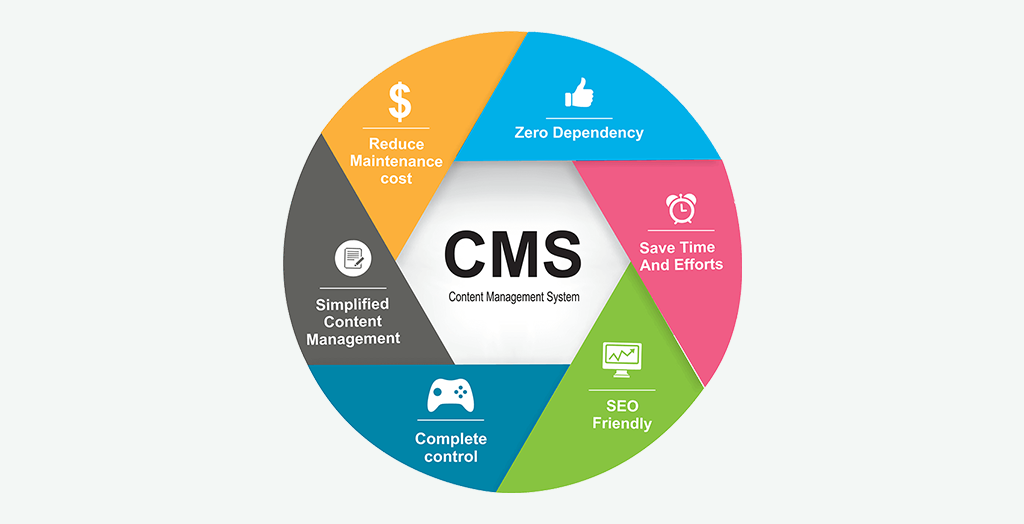
Content Management System And Its Impact In Web hosting
A content management system (CMS) is a software application that allows users to create, manage, and modify digital content on a website without needing specialized technical knowledge.
Optimizing Web Hosting Operations with Plesk's Billing and Client Management Features
Plesk is not only a powerful web hosting control panel but also offers robust billing and client management features that streamline administrative tasks and enhance customer service.
Ready to optimize your hosting?
Explore our enterprise-grade hosting plans designed for speed, security, and scale.