Top Digital Marketing Strategies for Online Business Success
In today's rapidly evolving digital landscape, businesses must leverage effective digital marketing strategies to stay competitive and reach their target audience. Digital marketing encompasses a wide range of tactics and techniques aimed at promoting products or services online.
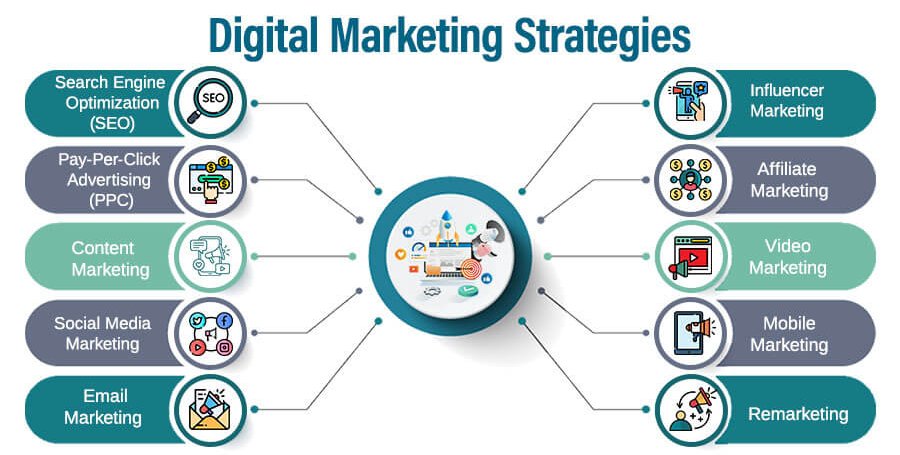
Digital Marketing Strategies
In today's rapidly evolving digital landscape, businesses must leverage effective digital marketing strategies to stay competitive and reach their target audience. Digital marketing encompasses a wide range of tactics and techniques aimed at promoting products or services online. Here are some key strategies that can help businesses thrive in the digital space:
1. Search Engine Optimization (SEO)
SEO is the process of optimizing a website to rank higher in search engine results pages (SERPs). By improving organic visibility, businesses can attract more traffic to their websites. Key components of SEO include:
- Keyword Research: Identifying relevant keywords that potential customers use to search for products or services.
- On-Page Optimization: Enhancing website elements such as meta tags, headers, and content to be search-engine friendly.
- Technical SEO: Improving site speed, mobile responsiveness, and fixing any crawl errors.
- Backlink Building: Acquiring high-quality backlinks from authoritative websites to boost domain authority.
2. Content Marketing
Content marketing involves creating and distributing valuable, relevant, and consistent content to attract and engage a target audience. Effective content marketing strategies include:
- Blogging: Regularly publishing informative and engaging blog posts to drive traffic and establish authority.
- Video Content: Creating video tutorials, product demos, and storytelling to capture the audience's attention.
- Infographics: Using visual representations of information to make complex topics easily understandable.
- E-books and Whitepapers: Providing in-depth knowledge on specific topics in exchange for contact information.
3. Social Media Marketing
Social media marketing leverages platforms like Facebook, Instagram, Twitter, LinkedIn, and TikTok to reach and engage with audiences. Key strategies include:
- Content Calendar: Planning and scheduling posts to maintain a consistent presence.
- Engagement: Interacting with followers through comments, messages, and live sessions.
- Advertising: Running targeted ad campaigns to reach specific demographics.
- Influencer Partnerships: Collaborating with influencers to tap into their follower base.
4. Email Marketing
Email marketing remains a powerful tool for nurturing leads and maintaining customer relationships. Effective email marketing strategies include:
- Segmentation: Dividing your email list into segments based on customer behavior and preferences.
- Personalization: Tailoring email content to individual recipients to increase engagement.
- Automation: Setting up automated email sequences for welcome series, abandoned cart reminders, and re-engagement campaigns.
- A/B Testing: Testing different subject lines, content, and call-to-actions to optimize performance.
5. Pay-Per-Click (PPC) Advertising
PPC advertising involves paying for ad placements on search engines and other platforms. Businesses only pay when users click on their ads. Effective PPC strategies include:
- Keyword Targeting: Bidding on relevant keywords to reach potential customers.
- Ad Copywriting: Crafting compelling ad copy that encourages clicks.
- Landing Page Optimization: Ensuring landing pages are optimized for conversions.
- Retargeting: Serving ads to users who have previously visited your website to encourage them to return and convert.
6. Affiliate Marketing
Affiliate marketing is a performance-based strategy where businesses reward affiliates for driving traffic or sales. Key components include:
- Affiliate Recruitment: Identifying and partnering with affiliates who have access to your target audience.
- Commission Structure: Setting up an attractive commission structure to incentivize affiliates.
- Tracking and Analytics: Monitoring affiliate performance and ensuring accurate tracking of sales and leads.
7. Analytics and Data-Driven Decision Making
Analytics play a crucial role in refining digital marketing strategies. Key practices include:
- Google Analytics: Using Google Analytics to track website traffic, user behavior, and conversion rates.
- Conversion Rate Optimization (CRO): Analyzing data to improve the percentage of visitors who complete desired actions.
- Customer Feedback: Gathering feedback through surveys and reviews to understand customer preferences and pain points.
- A/B Testing: Continuously testing different elements of marketing campaigns to determine what works best.
Conclusion
Implementing a well-rounded digital marketing strategy is essential for businesses looking to succeed in the online marketplace. By combining SEO, content marketing, social media engagement, email campaigns, PPC advertising, affiliate programs, and data-driven insights, businesses can effectively reach their target audience, build brand awareness, and drive conversions. Staying updated with the latest trends and continuously optimizing strategies based on performance data will ensure sustained success in the digital landscape.
Tags
Share this article
Get More Insights
Subscribe to our newsletter for weekly cloud tips.
Related Articles
View All →
Unveiling the Best in WordPress Hosting: Powering Your WordPress Journey
WordPress hosting refers to web hosting services specifically optimized and tailored for hosting WordPress websites

Essential Strategies to Grow Your Online Business
Growing an online business requires a strategic approach, effective marketing, and a focus on customer satisfaction. In today’s competitive digital landscape, understanding how to enhance your online presence and attract more customers is crucial.

Essential Web Hosting Terms Explained: A Comprehensive Guide for Beginners
Navigating the world of web hosting can be daunting, especially with the myriad of technical terms and jargon. Understanding these terms is crucial for making informed decisions about your website’s needs.
Ready to optimize your hosting?
Explore our enterprise-grade hosting plans designed for speed, security, and scale.