SEO Content Strategy: The Blueprint for Organic Growth
Discover why SEO and content strategy are no longer separate departments. As we approach 2026, search engines rely heavily on user intent and content depth. Learn how to build a data-driven SEO content strategy that utilizes topic clusters, semantic SEO, and user intent to rank higher, generate leads, and secure long-term organic growth.
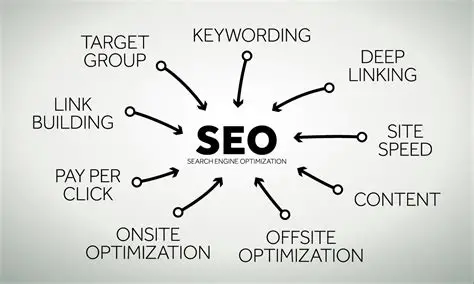
SEO Content Strategy: The Blueprint for Organic Growth
For years, digital marketing teams treated SEO and content creation as two entirely separate departments. The writers focused on storytelling, while the technical team focused on keywords.
Those days are over.
There is no division between SEO and content strategy anymore; they are fundamentally interdependent. As we approach 2026, companies will benefit greatly from embedding all aspects of SEO principles into their content planning, creation, and distribution processes.
Search engines have developed far beyond just using basic keyword matching to rank websites. In today's world, search engines (such as Google) rely more heavily on the searcher's intent, content authority, user experience, and overall depth to decide what websites to return in search results.
This means companies now need to create data-driven content strategies that are informed by keyword research and the way that their target audiences are actually searching for and consuming information.
This article reviews specific topics that relate to SEO content strategy and how they contribute to creating traffic, improving rankings, and converting visitors into loyal customers. Whether you are managing a web hosting blog, a SaaS website, a marketing agency, or a corporate platform, these strategies are essential for long-term sustainable growth.
What is an SEO Content Strategy?
An SEO content strategy is a structured, data-driven approach to creating, optimizing, and managing content to improve search engine rankings and achieve meaningful business results.
Unlike traditional content marketing, which might focus solely on brand awareness, an SEO-driven approach ensures that every piece of content is designed to answer a specific query and capture organic search traffic.
A robust SEO content strategy includes three core pillars:
1. Creating Topic Clusters and Internal Linking
Instead of writing isolated blog posts, you build "pillar pages" (broad topics) supported by "cluster pages" (subtopics). This creates an internal linking ecosystem that signals to search engines that you are an authority on the subject.
2. Creating Search-Optimized Content
This involves optimizing for semantic SEO—not just placing keywords, but answering the exact questions your audience is asking. It means structuring your content with clear headings, bullet points, and rich media to provide the best possible user experience.
3. Continuous Monitoring and Optimization
Content creation is not a "set it and forget it" task. A true SEO content strategy requires continuously monitoring your rankings, analyzing user behavior, and updating your content to keep it fresh and relevant.
Ultimately, an SEO content strategy focuses on the long-term visibility of your website through organic traffic rather than short-term traffic spikes that result from social media shares or paid promotional efforts.
Why SEO and Content Strategy Must Align
If you write incredible content but fail to optimize it for search engines, you are building a library in the middle of a desert. If you optimize for search engines but publish shallow, unhelpful content, users will bounce immediately, and search engines will penalize you.
Aligning both creates a powerful feedback loop:
Keyword Research Drives Content Creation: You use search data to find exactly what your audience wants to read.
Content Creation Feeds SEO: Every new, high-quality article adds new keywords to your index and builds your domain authority.
User Intent Shapes Both: By understanding the "why" behind a search, you can create content that not only ranks but actually converts.
Building the Blueprint for Long-Term Growth
The combination of technical SEO and a creative content strategy should lead to long-lasting digital growth. Keyword research, semantic SEO, user intent, and topic clusters build an ecosystem of content that ranks well and generates high-quality leads.
If you are just writing blog posts without a strategic SEO framework, you are competing blindly.
For businesses to remain visible in an ever-competitive digital world, creating and implementing a well-developed strategy that utilizes both SEO and provides quality content is absolutely necessary. It is the single most reliable path to attracting customers and ensuring the long-term success of your company, brand, or website.
Ready to stop treating SEO and content as separate departments? Contact Captain Cloud today to talk to our strategists and build your blueprint.
Frequently Asked Questions
What is the difference between SEO and content strategy?
Content strategy is the "what" and "why" (the topics you create and who you are talking to). SEO is the "how" (the technical optimization that ensures search engines can find, understand, and rank your content). They must be integrated to work.
How do topic clusters improve SEO content strategy?
Topic clusters organize your website into distinct themes. By internally linking closely related articles to a main "pillar" page, you show search engines that you possess deep, authoritative knowledge on a subject, which improves your overall ranking power.
What is semantic SEO?
Semantic SEO is the practice of optimizing content for meaning and context, rather than just exact-match keywords. It involves answering related questions and using natural language to satisfy user intent.
Table of Contents
Share this article
Get More Insights
Subscribe to our newsletter for weekly cloud tips.
Related Articles
View All →
502 Bad Gateway Error: Comprehensive Guide to Diagnose, Fix, and Prevent It in 2025
A 502 Bad Gateway Error disrupts server communication, often caused by overloaded servers, DNS issues, or faulty CDN configurations. This 2025 guide provides modern fixes like optimizing HTTP/3 protocols, adjusting reverse proxies, and leveraging AI-powered monitoring tools. Learn how to resolve errors swiftly, reduce downtime, and future-proof your website’s performance with cutting-edge strategies for developers and businesses alike.
_1744191604.png)
401 Unauthorized – Incorrect authentication settings.
Struggling with the dreaded “401 Unauthorized” error in 2025? This common website issue stems from incorrect authentication settings — and it’s a sign your site isn’t properly verifying user credentials. In this guide, we’ll break down the causes, real-world fixes, SEO impact, and how the right web host can stop 401 errors before they start.
Captain Cloud: Unleashing the Power of Premium Web Hosting for Speed, Security, and SEO Dominance
Captain Cloud revolutionizes web hosting with lightning-fast NVMe SSD storage, free SSL certificates, and 99.9% uptime guarantees. Catering to businesses, developers, and bloggers, their scalable solutions—from shared to cloud hosting—prioritize security, speed, and 24/7 Kenyan-based support. With seamless migrations, automated backups, and SEO-optimized infrastructure,Captain Cloud ensures your website thrives in performance and search rankings.
Ready to optimize your hosting?
Explore our enterprise-grade hosting plans designed for speed, security, and scale.