Secure and Scalable: The Importance of FTP Backup Storage
First and foremost, FTP backup storage provides a robust solution for safeguarding critical data. By regularly backing up files to an offsite FTP server, businesses can mitigate the risk of data loss due to hardware failure, cyberattacks, or unforeseen disasters.
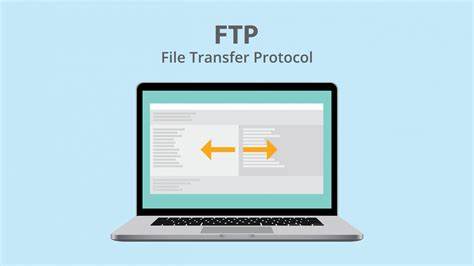
FTP (File Transfer Protocol) backup storage remains a reliable and widely-used method for securely storing and transferring data across networks. In the realm of web hosting and data management, FTP backup storage plays a crucial role in ensuring data redundancy, disaster recovery preparedness, and seamless file management. Here's a comprehensive look at why FTP backup storage is essential and how businesses can leverage its benefits.
First and foremost, FTP backup storage provides a robust solution for safeguarding critical data. By regularly backing up files to an offsite FTP server, businesses can mitigate the risk of data loss due to hardware failure, cyberattacks, or unforeseen disasters. This redundancy is particularly valuable for businesses that handle sensitive information or rely heavily on data-driven operations.
Moreover, FTP backup storage offers scalability and flexibility. Businesses can allocate storage space based on their specific needs and expand storage capacity as their data volume grows. This scalability ensures that businesses can adapt to changing storage requirements without over-provisioning resources, optimizing cost-efficiency.
From a practical standpoint, FTP backup storage simplifies file management and accessibility. Users can securely upload, download, and manage files from any location with an internet connection, using FTP clients or web-based interfaces. This accessibility facilitates collaboration among teams and enhances workflow efficiency, especially in distributed work environments.
Security is another critical consideration in FTP backup storage. Advanced encryption protocols (such as FTPS or SFTP) ensure that data transmitted between client devices and FTP servers remains protected from unauthorized access and interception. Additionally, many FTP servers offer features like password authentication, IP whitelisting, and activity logs to further enhance security measures and compliance with data protection regulations.
In conclusion, FTP backup storage continues to be a cornerstone of data management strategies for businesses of all sizes. Its reliability, scalability, and robust security features make it an indispensable tool for maintaining data integrity and continuity. By leveraging FTP backup storage solutions, businesses can effectively mitigate risks, streamline file management processes, and ensure readiness for unforeseen challenges, ultimately enhancing overall operational resilience and maintaining a competitive edge in today's digital landscape.
Share this article
Get More Insights
Subscribe to our newsletter for weekly cloud tips.
Related Articles
View All →
The Art of Website Branding: Crafting Digital Identity
Branding on websites is the strategic process of conveying a consistent brand identity and message across all aspects of a website, including design, content, imagery, and user experience.

Key Customer Service Metrics : Measuring Success and Enhancing Support Quality
Measuring customer service performance through key metrics helps web hosting companies understand their strengths and areas for improvement.
Exploring the World of Web Hosting: Unveiling the Gateway
Web hosting is a service that allows individuals and organizations to make their websites accessible via the World Wide Web.
Ready to optimize your hosting?
Explore our enterprise-grade hosting plans designed for speed, security, and scale.