Mastering the Art of SEO: Elevate Your Online Presence
SEO, or Search Engine Optimization, is the practice of improving a website's visibility and ranking in search engine results pages (SERPs) to attract organic (non-paid) traffic.
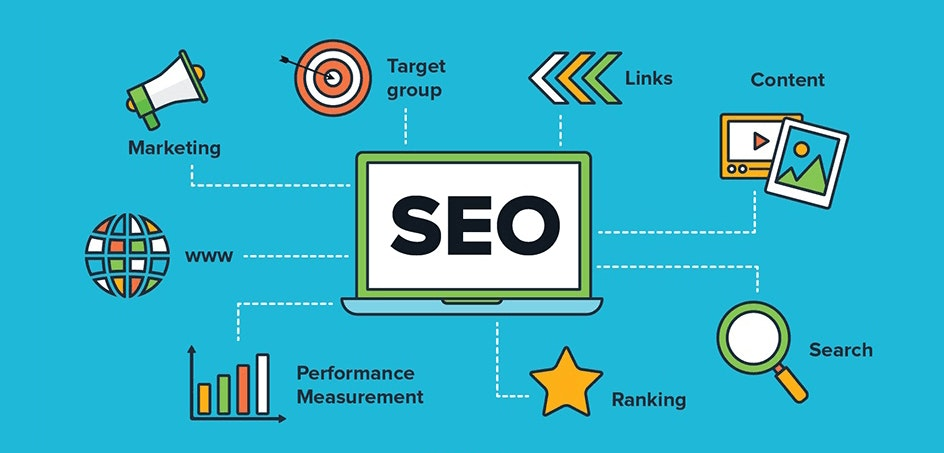
SEO, or Search Engine Optimization, is the practice of improving a website's visibility and ranking in search engine results pages (SERPs) to attract organic (non-paid) traffic. It involves a combination of technical optimization, content creation, and off-site factors to enhance a website's relevance, authority, and trustworthiness in the eyes of search engines like Google, Bing, and Yahoo. Here's an in-depth overview of SEO for a website:
- Keyword Research:
- Identify relevant keywords and phrases that potential visitors might use to find your website.
- Use keyword research tools (e.g., Google Keyword Planner, SEMrush, Ahrefs) to discover search volumes, competition levels, and related keywords.
- Target a mix of high-volume, long-tail, and niche keywords that align with your content and audience's intent.
- On-Page SEO:
- Optimize on-page elements such as title tags, meta descriptions, headings (H1, H2, etc.), and URL structures to include target keywords and provide context to search engines.
- Ensure proper use of keywords in content, but prioritize natural language and readability for users.
- Optimize image alt text, internal linking, and schema markup to enhance accessibility and search engine understanding of content.
- Content Creation and Optimization:
- Create high-quality, relevant, and engaging content that addresses user queries and provides value.
- Incorporate target keywords naturally within content, headings, and metadata.
- Aim for comprehensive, in-depth content that covers a topic comprehensively and satisfies user intent.
- Regularly update and refresh content to keep it relevant and up-to-date.
- Technical SEO:
- Ensure website accessibility and crawlability for search engine bots by resolving issues such as broken links, duplicate content, and crawl errors.
- Optimize website speed and performance by minimizing page load times, optimizing images, and leveraging browser caching.
- Implement mobile responsiveness and ensure a seamless user experience across devices.
- Use secure HTTPS protocol and implement SSL certificates to encrypt data and improve site security.
- Website Architecture and Structure:
- Create a logical website structure with clear navigation and internal linking to facilitate user navigation and search engine crawling.
- Organize content into categories and subcategories, using breadcrumbs and sitemaps to enhance discoverability.
- Optimize URL structure to be descriptive, concise, and keyword-rich.
- Off-Page SEO and Link Building:
- Build backlinks from authoritative and relevant websites to improve domain authority and trustworthiness.
- Focus on quality over quantity when acquiring backlinks, and seeking out natural and organic link opportunities.
- Engage in guest blogging, influencer outreach, and content promotion to attract inbound links and referral traffic.
- Local SEO (if applicable):
- Optimize website and content for local search queries by including location-based keywords and geographic modifiers.
- Claim and optimize Google My Business listing and other local business directories.
- Encourage customer reviews and testimonials to improve local search visibility and credibility.
- Monitoring and Analysis:
- Monitor website performance and search engine rankings using tools like Google Analytics, Google Search Console, and third-party SEO platforms.
- Track key metrics such as organic traffic, keyword rankings, conversion rates, and user engagement.
- Analyze data and insights to identify opportunities for improvement and refine SEO strategies over time.
- Adapting to Algorithm Updates:
- Stay informed about changes to search engine algorithms and industry best practices.
- Adapt SEO strategies and tactics to align with evolving search engine guidelines and ranking factors.
- Focus on providing valuable, user-centric content and experiences that meet the needs of search engine users.
- Continuous Improvement:
- SEO is an ongoing process that requires regular monitoring, optimization, and refinement.
- Test and iterate on SEO strategies, experimenting with different approaches and measuring results to determine what works best for your website.
Tags
Share this article
Get More Insights
Subscribe to our newsletter for weekly cloud tips.
Related Articles
View All →
Supercharge Your Web Hosting with NVMe
NVMe is a high-performance, scalable storage protocol designed to work with NAND flash memory and other high-speed storage technologies. Unlike older storage protocols such as SATA (Serial ATA) and SAS (Serial Attached SCSI), NVMe connects directly to the CPU via the PCIe (Peripheral Component Interconnect Express) bus, allowing for faster data transfer speeds and lower latency.

Comprehensive Guide: How to Compare Web Hosting Plans
Selecting the right web hosting plan is a crucial step in building and maintaining a successful website. With numerous options available, it can be overwhelming to decide which hosting plan best meets your needs. This guide will help you navigate the process by outlining the key factors to consider when comparing hosting plans.

How To Be An Affiliate Marketer In Web hosting
Affiliate marketing in web hosting is a popular strategy where individuals or companies earn commissions by promoting web hosting services through their website, blog, social media channels, or other online platforms.
Ready to optimize your hosting?
Explore our enterprise-grade hosting plans designed for speed, security, and scale.