Choosing Between Managed vs Unmanaged Hosting: Benefits and Considerations
Managed vs. unmanaged hosting presents a critical choice for anyone looking to host a website, as it determines the level of control, responsibility, and technical expertise required.
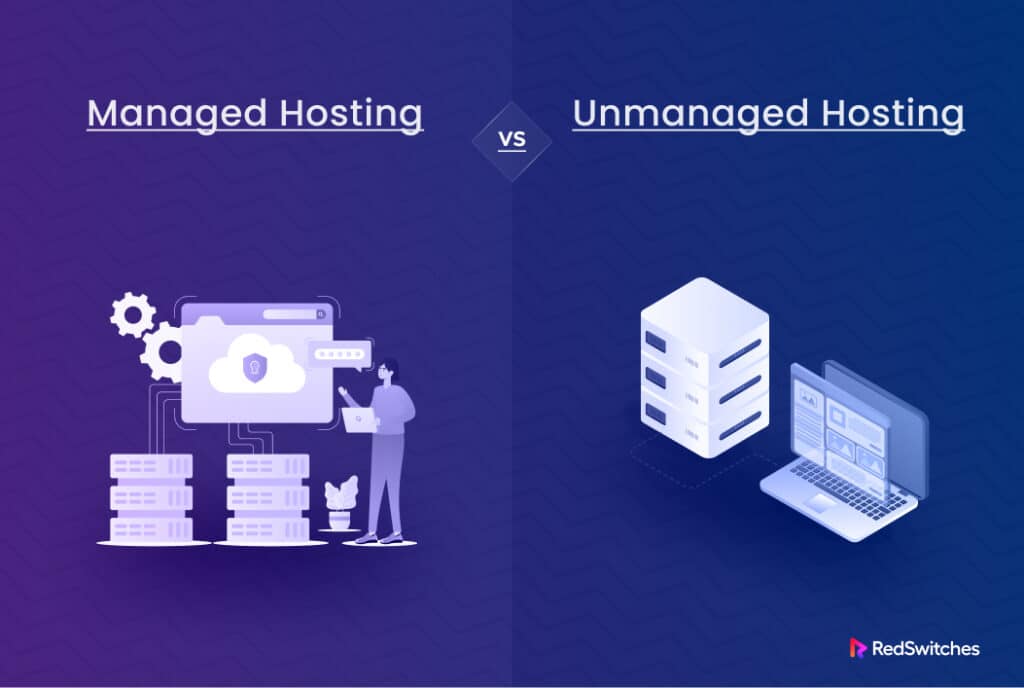
Managed vs. unmanaged hosting presents a critical choice for anyone looking to host a website, as it determines the level of control, responsibility, and technical expertise required. This article explores the key differences between managed and unmanaged hosting, highlighting their respective benefits, considerations, and suitability based on specific needs and preferences.
Understanding Managed Hosting
Managed hosting is a service where the hosting provider takes full responsibility for the technical aspects of server management, maintenance, and support. Here are the key characteristics and benefits:
-
Comprehensive Technical Support: Managed hosting includes 24/7 technical support from experts who handle server setup, maintenance, updates, and troubleshooting. This ensures that technical issues are promptly addressed, minimizing downtime and disruptions.
-
Ease of Use: Managed hosting is ideal for users who prefer a hands-off approach to server management. The hosting provider handles routine tasks such as server monitoring, backups, security updates, and performance optimization, allowing clients to focus on their core business activities.
-
Scalability and Resource Management: Managed hosting plans often include scalability features, allowing clients to easily upgrade resources (CPU, RAM, storage) as their website traffic and resource demands grow. This scalability ensures that websites can handle increased traffic without performance degradation.
-
Enhanced Security Measures: Managed hosting providers implement robust security measures, including firewalls, malware scanning, intrusion detection systems (IDS), and regular security audits. This helps protect websites from cyber threats and ensures compliance with industry standards.
-
Predictable Costs: Managed hosting typically involves a predictable pricing structure, with monthly or annual fees covering all technical support and management services. This makes budgeting easier for businesses without unexpected expenses for IT support.
Understanding Unmanaged Hosting
Unmanaged hosting, also known as self-managed hosting, gives clients full control and responsibility over server management, configuration, and troubleshooting. Here are the key characteristics and considerations:
-
Full Control and Customization: With unmanaged hosting, clients have complete control over server configuration, software installations, and customization. This flexibility is ideal for developers, system administrators, and tech-savvy users who require specific configurations and software setups.
-
Cost Efficiency: Unmanaged hosting is generally more cost-effective than managed hosting, as clients only pay for server resources and infrastructure. However, clients must have the technical expertise to manage and troubleshoot server issues independently.
-
Technical Expertise Required: Clients opting for unmanaged hosting should possess advanced technical skills or have access to a dedicated IT team capable of handling server administration, software updates, security patches, and troubleshooting.
-
Time and Effort: Managing an unmanaged server requires time and effort to monitor performance, conduct backups, apply security updates, and resolve technical issues promptly. This can be challenging for users without adequate technical knowledge or experience.
-
Flexibility in Software and Applications: Unmanaged hosting allows clients to install and configure any software or applications according to their requirements, without restrictions imposed by managed hosting providers.
Choosing Between Managed and Unmanaged Hosting
-
Consider Managed Hosting If: You prefer a hassle-free hosting experience with professional technical support, need scalability options, prioritize website security, and have a budget for managed services.
-
Consider Unmanaged Hosting If: You have advanced technical skills or an IT team to manage server operations, require full control over server configurations and software, and prioritize cost efficiency over managed support services.
Conclusion
The choice between managed and unmanaged hosting depends on your technical expertise, budget, and specific requirements for website management and support. Managed hosting offers convenience, robust support, and security enhancements, making it suitable for businesses and users seeking a hands-off hosting solution. In contrast, unmanaged hosting provides full control, customization, and cost savings but requires technical proficiency and responsibility for server management. Understanding these differences enables you to choose the hosting solution that best aligns with your needs and goals for hosting a successful website or application.
Table of Contents
Share this article
Get More Insights
Subscribe to our newsletter for weekly cloud tips.
Related Articles
View All →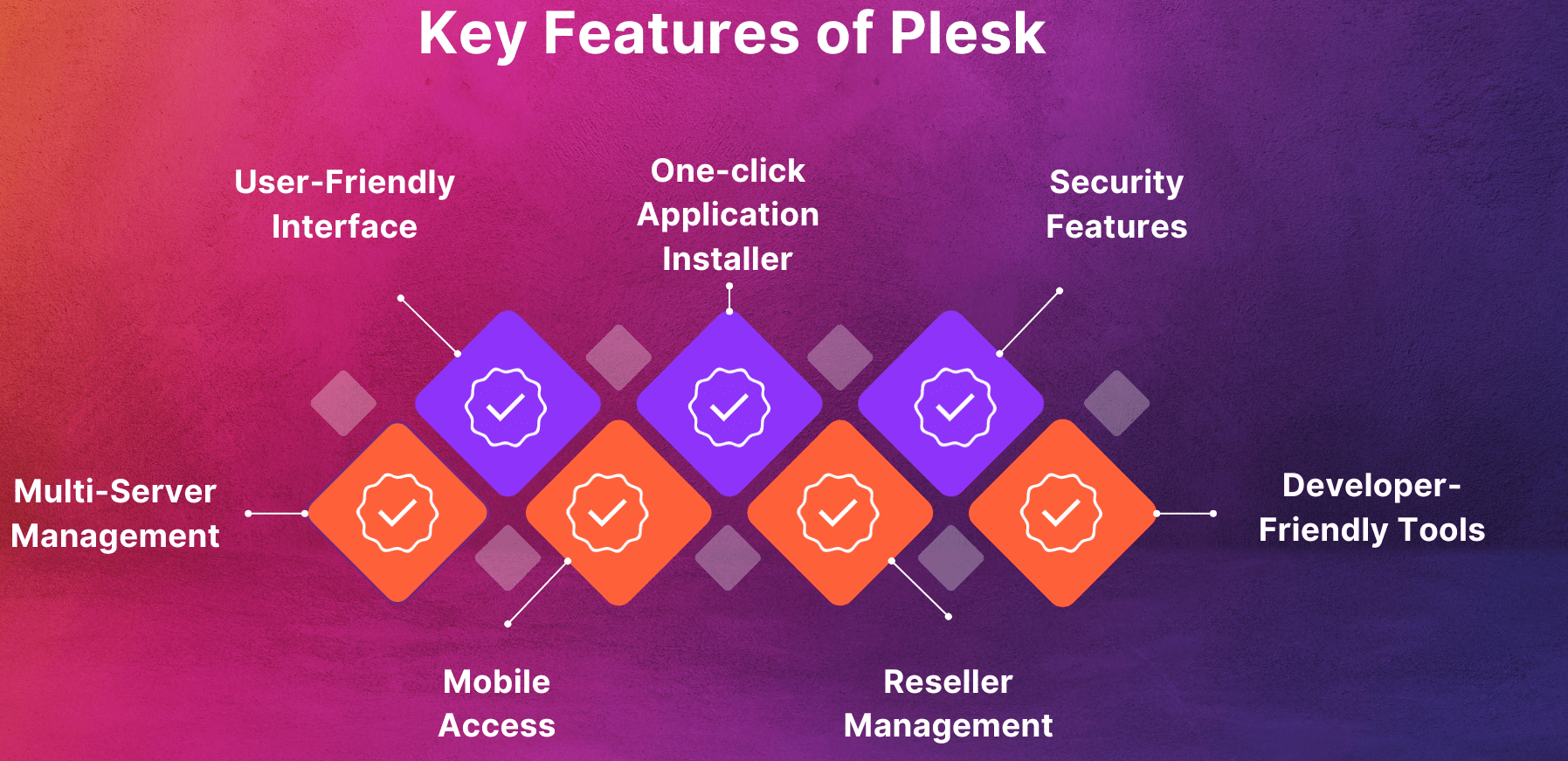
Key Features of the Plesk Control Panel for Efficient Web Hosting Management
The control panel is a crucial tool for managing various aspects of server and website administration. Plesk, a leading web hosting control panel, offers a rich set of features designed to streamline server management, enhance security, and simplify website operations.

Comprehensive Guide to Managing Domains for Web Hosting
Effective domain management is essential for ensuring a seamless user experience. This article provides a detailed, keyword-rich guide for web hosting companies on managing domains, covering key processes such as domain registration, DNS configuration, domain transfers, and renewals.

Captivating Customers with Innovative Content
Creating breakthrough content is essential to attract and engage customers effectively. Innovative content not only captures attention but also resonates with audiences, drives brand awareness, and fosters customer loyalty.
Ready to optimize your hosting?
Explore our enterprise-grade hosting plans designed for speed, security, and scale.